

Do transport blankets have any antistatic properties?
Dec 10, 2025
Leave a message
Transport blankets are essential tools in various industries, from medical transport to moving and storage. They serve multiple purposes, including protecting items from scratches, providing insulation, and ensuring the safety and comfort of patients during transit. One question that often arises is whether transport blankets have any antistatic properties. As a transport blanket supplier, I am here to explore this topic in-depth and provide you with the information you need.
Understanding Static Electricity
Before delving into the antistatic properties of transport blankets, it's crucial to understand what static electricity is and how it can impact different situations. Static electricity is the imbalance of electric charges within or on the surface of a material. When two materials come into contact and then separate, electrons can transfer from one material to the other, creating a static charge. This charge can build up on the surface of an object and cause it to attract or repel other objects.
In industrial and medical settings, static electricity can pose several problems. For example, in the electronics industry, static charges can damage sensitive electronic components, leading to malfunctions or complete failure. In the medical field, static electricity can interfere with medical equipment and cause discomfort to patients. Therefore, it's essential to control static electricity to ensure the safety and reliability of various processes.
Antistatic Properties in Transport Blankets
Not all transport blankets have antistatic properties, but some are specifically designed to reduce or eliminate static electricity. These antistatic transport blankets are made from materials that have been treated or engineered to prevent the buildup of static charges. There are several ways in which transport blankets can achieve antistatic properties:
Conductive Fibers
Some transport blankets incorporate conductive fibers into their construction. These fibers, such as carbon or metal fibers, can conduct electricity and dissipate static charges. When a static charge builds up on the surface of the blanket, the conductive fibers provide a path for the charge to flow, preventing it from accumulating and causing problems.
Antistatic Coatings
Another common method is to apply antistatic coatings to the surface of the transport blanket. These coatings contain chemicals that can reduce the surface resistance of the material, allowing static charges to dissipate more easily. Antistatic coatings are often used on non-woven fabric blankets, which are a popular choice for transport applications due to their lightweight and cost-effective nature. You can find more information about Non-woven Fabric Blanket on our website.
Moisture Absorption
Some transport blankets are designed to absorb moisture from the environment. Moisture can help to conduct electricity and reduce the buildup of static charges. By keeping the surface of the blanket slightly moist, these blankets can effectively prevent static electricity from occurring.
Benefits of Antistatic Transport Blankets
Using antistatic transport blankets offers several benefits in different industries:
Protection of Sensitive Equipment
In the electronics and technology industries, antistatic transport blankets are essential for protecting sensitive electronic components during shipping and handling. These blankets can prevent static charges from damaging the components, ensuring their proper functioning and reliability.
Patient Comfort in Medical Transport
In the medical field, antistatic transport blankets can provide a more comfortable experience for patients. Static electricity can cause discomfort and irritation, especially for patients with sensitive skin. By using antistatic blankets, medical professionals can reduce the risk of static-related issues and improve patient comfort.
Safety in Hazardous Environments
In industries where there is a risk of fire or explosion, such as the chemical and petroleum industries, antistatic transport blankets are crucial for safety. Static electricity can generate sparks, which can ignite flammable materials. Antistatic blankets can help to prevent these sparks from occurring, reducing the risk of accidents and ensuring the safety of workers and equipment.
Types of Transport Blankets and Their Antistatic Properties
There are several types of transport blankets available on the market, each with its own unique properties and applications. Here are some common types of transport blankets and their antistatic capabilities:
Mylar Emergency Blanket
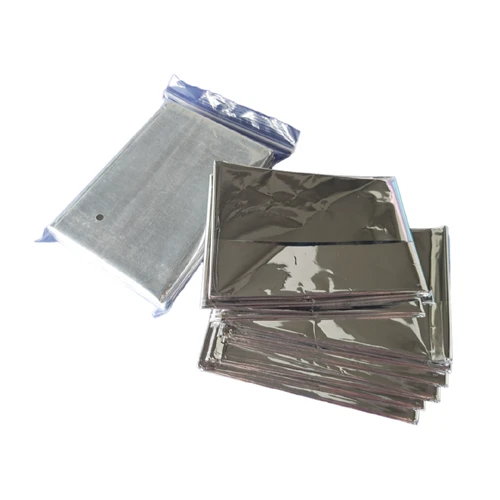
Mylar emergency blankets are made from a thin, reflective material that is known for its excellent insulation properties. While Mylar itself is not inherently antistatic, some manufacturers treat Mylar blankets with antistatic coatings to reduce static electricity. These blankets are often used in emergency situations, such as outdoor survival or medical emergencies. You can learn more about Mylar Emergency Blanket on our website.
Woven Transport Blankets
Woven transport blankets are typically made from materials such as cotton or polyester. These blankets can be treated with antistatic agents to reduce static charges. Woven blankets are known for their durability and strength, making them suitable for heavy-duty transport applications.
Non-woven Fabric Blankets
Non-woven fabric blankets are made from synthetic fibers that are bonded together using heat, pressure, or chemicals. These blankets are lightweight, cost-effective, and can be easily customized. As mentioned earlier, non-woven fabric blankets can be treated with antistatic coatings to provide antistatic properties. You can find a wide range of Non-woven Fabric Blanket options on our website.

How to Choose the Right Antistatic Transport Blanket
When choosing an antistatic transport blanket, there are several factors to consider:
Application
The first step is to determine the specific application for which you need the blanket. Different industries and situations may require different types of antistatic properties. For example, if you are transporting sensitive electronic components, you may need a blanket with high levels of antistatic protection. On the other hand, if you are using the blanket for general moving and storage purposes, a less expensive antistatic blanket may be sufficient.
Antistatic Performance
Look for blankets that have been tested and certified for their antistatic performance. The manufacturer should provide information about the surface resistance and other antistatic properties of the blanket. This information can help you determine whether the blanket meets your requirements.
Durability and Quality
Consider the durability and quality of the blanket. You want a blanket that can withstand the rigors of transport and handling without losing its antistatic properties. Look for blankets that are made from high-quality materials and have a strong construction.
Cost
Finally, consider the cost of the blanket. Antistatic transport blankets can vary in price depending on their type, size, and antistatic performance. Compare the prices of different blankets and choose one that offers the best value for your money.
Conclusion
In conclusion, transport blankets can have antistatic properties, which can provide several benefits in different industries. Whether you are transporting sensitive electronic components, patients in medical settings, or items in hazardous environments, antistatic transport blankets can help to prevent static-related problems and ensure the safety and reliability of your operations. As a transport blanket supplier, we offer a wide range of antistatic transport blankets to meet your specific needs. If you are interested in learning more about our products or would like to discuss your requirements, please feel free to contact us for a procurement discussion. We are committed to providing you with high-quality products and excellent customer service.
References
- "Static Electricity: Causes, Effects, and Control." Electrostatic Discharge Association.
- "Antistatic Materials and Their Applications." Journal of Materials Science.
- "Transport Blankets: Types, Uses, and Benefits." Industry Research Report.