

Can an acrylic blanket be used in a wet environment?
Dec 10, 2025
Leave a message
Throughout my years as an acrylic blanket supplier, I've fielded countless questions from customers. One query that pops up more often than you'd think is, "Can an acrylic blanket be used in a wet environment?" It's a valid question, especially considering the diverse situations where people might want to use these cozy blankets. So, let's dive into this topic and find out the ins and outs of using acrylic blankets when things get a bit damp.
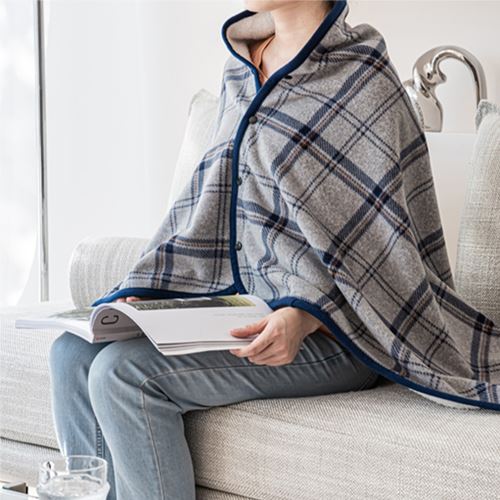
First off, let's talk about what acrylic blankets are. Acrylic is a synthetic fiber that's designed to mimic the look and feel of wool. It's known for being soft, lightweight, and relatively affordable. These blankets come in a wide range of colors, patterns, and sizes, making them a popular choice for both decoration and practical use. You can check out our selection of Acrylic Blanket to get an idea of the variety available.
Now, onto the main question: can you use an acrylic blanket in a wet environment? The short answer is yes, but with some important considerations. Acrylic fibers have a few properties that make them suitable for damp conditions. For starters, they're quick-drying. Unlike natural fibers such as cotton or wool, which can absorb a large amount of water and take a long time to dry, acrylic fibers don't hold onto moisture as much. This means that if your blanket gets wet, it'll dry out relatively fast, reducing the risk of mold and mildew growth.
Another advantage of acrylic is its resistance to shrinkage. When you wash a natural fiber blanket in water, it might shrink or lose its shape. But acrylic blankets are pretty stable in terms of size and shape. Even if you use them in a wet environment repeatedly, they're likely to keep their original form, which is a big plus.
However, there are a few downsides to using acrylic blankets in wet situations. One of the main issues is that acrylic doesn't breathe as well as natural fibers. This means that when the blanket gets wet and you're wrapped in it, your body might not be able to release heat and moisture as easily. You could end up feeling hot and sticky, which isn't the most comfortable experience.
Also, while acrylics are quick-drying, they don't provide as much insulation when they're wet compared to when they're dry. This is an important factor to consider if you're using the blanket in a cold, wet environment. You might find that you need an extra layer of warmth on top of the acrylic blanket to stay comfortable.
Now, let's look at some specific wet environments and how acrylic blankets might fare in them.

Outdoor Use
If you're planning a picnic in a park and it suddenly starts to drizzle, your acrylic blanket could be a lifesaver. You can quickly shake off the water and it'll dry in no time. It's also great for camping trips. If your tent gets a bit damp from condensation or a light rain, an acrylic blanket will keep you warm without getting overly wet and heavy. Just make sure to air it out as soon as you can to prevent any musty smells.
Bathroom or Spa Use
Acrylic blankets can work well in the bathroom or spa. After a relaxing bath or sauna, you can wrap yourself in a soft acrylic blanket. It'll dry quickly and feel nice against your wet skin. Some people even use them as a makeshift towel because they're so absorbent in a way. Check out our Flannel and Sherpa Shawl Blanket for a more luxurious option in these settings.
Poolside Use
At the pool, an acrylic blanket is a great addition. When you get out of the water, you can wrap it around you to warm up. It'll dry fast so you can reuse it throughout the day. Plus, the bright colors and fun patterns can add a nice touch to the poolside atmosphere.
To make the most of your acrylic blanket in a wet environment, here are some tips:
- Rinse After Use: If the water was dirty or had chemicals in it (like pool water), give the blanket a quick rinse in clean water to remove any residue.
- Air Dry Properly: Hang the blanket up in a well-ventilated area to dry. Avoid putting it in direct sunlight for too long, as it can cause the colors to fade.
- Store Correctly: Once it's dry, store the blanket in a dry place. You can fold it neatly or roll it up to save space.
If you're considering other options for wet environments, our Polar Fleece and Sherpa Shawl Blanket is also a great choice. Polar fleece is similar to acrylic in terms of being quick-drying and lightweight, but it might offer a bit more warmth.
In conclusion, acrylic blankets can definitely be used in wet environments. They have their pros, like quick-drying and resistance to shrinkage, but also a few cons, such as poor breathability and reduced insulation when wet. As an acrylic blanket supplier, I've seen firsthand how versatile these blankets can be. Whether you're using them outdoors, in the bathroom, or by the pool, they can provide comfort and functionality.
If you're interested in purchasing acrylic blankets for your personal use, for a business, or for any other purpose, I'd love to have a chat with you. We can discuss your specific needs, the different options available, and how we can provide the best products for you. Don't hesitate to reach out and start the conversation about your acrylic blanket purchase.
References
- Textile Institute. “Properties of Acrylic Fibers.” Handbook of Fiber Science and Technology.
- Consumer Reports. “Comparing Synthetic and Natural Fiber Blankets.”