

What is the warmth - to - weight ratio of a cotton blanket?
Dec 09, 2025
Leave a message
Hey there! As a supplier of Cotton Blanket, I often get asked about the warmth-to-weight ratio of cotton blankets. It's a super important factor, especially when you're trying to find the perfect blanket for your needs. So, let's dive right in and explore what this ratio means and why it matters for cotton blankets.
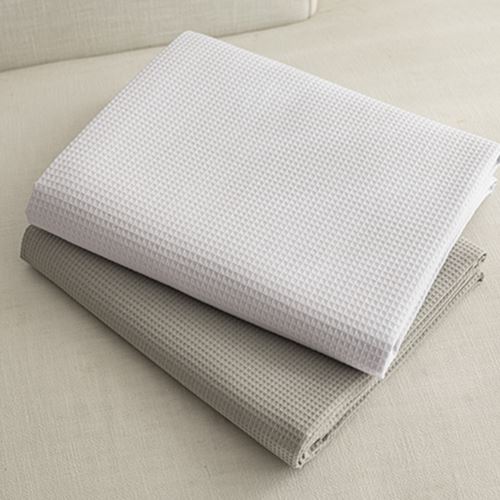
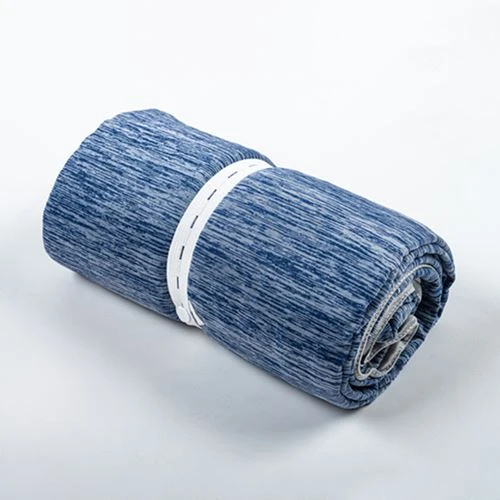
What is the Warmth-to-Weight Ratio?
The warmth-to-weight ratio is basically a measure of how much warmth a material can provide relative to its weight. In simpler terms, it tells you how well a blanket can keep you warm without being too heavy. A high warmth-to-weight ratio means you get a lot of warmth from a relatively light blanket, which is great for comfort and mobility.
For example, if you have two blankets of the same size, but one is much lighter and still keeps you just as warm as the other, the lighter one has a better warmth-to-weight ratio. This is crucial because nobody wants to be weighed down by a heavy blanket, especially when you're trying to sleep or relax.
How Does Cotton Stack Up?
Cotton is a popular choice for blankets, and for good reason. It's soft, breathable, and hypoallergenic, making it suitable for a wide range of people. But how does it perform in terms of the warmth-to-weight ratio?
Well, cotton is a natural fiber that has some insulating properties. It can trap air between its fibers, which helps to keep you warm. However, compared to some synthetic materials or other natural fibers like wool, cotton's warmth-to-weight ratio isn't the highest.
Wool, for instance, is known for its excellent warmth-to-weight ratio. It can provide a lot of warmth even in a relatively thin and light blanket. But cotton has its own advantages. It's more breathable than wool, which means it can help regulate your body temperature better. You're less likely to overheat under a cotton blanket, especially in warmer climates or during the summer months.
Factors Affecting the Warmth-to-Weight Ratio of Cotton Blankets
There are several factors that can affect the warmth-to-weight ratio of a cotton blanket. Let's take a look at some of the most important ones:
1. Thread Count
The thread count of a cotton blanket refers to the number of threads per square inch of fabric. Generally, a higher thread count means a denser fabric, which can provide more warmth. However, it also means the blanket will be heavier. So, there's a trade-off between warmth and weight.
A blanket with a lower thread count may be lighter, but it may not be as warm. On the other hand, a high-thread-count blanket can be very warm, but it might be too heavy for some people, especially if they prefer a lighter blanket.
2. Weave
The weave of the cotton fabric also plays a role in the warmth-to-weight ratio. Different weaves can trap air differently, which affects the blanket's insulating properties.
For example, a flannel weave is known for its warmth. Flannel is a type of cotton fabric that has a fuzzy surface, which helps to trap more air and keep you warm. It's a great option for colder nights. However, flannel blankets tend to be heavier than other types of cotton blankets.
On the other hand, a percale weave is lighter and more breathable. It's a popular choice for summer blankets or for people who don't need a lot of warmth. Percale blankets have a smooth and crisp texture, and they're usually made with a lower thread count, which makes them lighter.
3. Fill or Lining
Some cotton blankets may have a fill or lining to increase their warmth. For example, a cotton blanket with a down or synthetic fill can provide more warmth without adding too much weight. The fill helps to trap air and create an extra layer of insulation.
However, the type of fill or lining can also affect the overall weight and feel of the blanket. Down is very lightweight and provides excellent warmth, but it can be expensive. Synthetic fills are more affordable and can also provide good insulation, but they may not be as breathable as down.
Choosing the Right Cotton Blanket Based on the Warmth-to-Weight Ratio
When choosing a cotton blanket, it's important to consider your personal preferences and needs. Here are some tips to help you make the right decision:
1. Consider the Climate
If you live in a cold climate, you'll probably want a blanket with a higher warmth-to-weight ratio. Look for a high-thread-count cotton blanket or one with a warm fill or lining. Flannel blankets are also a great option for cold weather.
On the other hand, if you live in a warm climate or if you tend to get hot at night, a lighter cotton blanket with a lower thread count or a percale weave may be more suitable. You can also consider a Cooling Blanket, which is designed to keep you cool and comfortable.
2. Think About Your Sleeping Style
Your sleeping style can also affect the type of blanket you choose. If you move around a lot in your sleep, you may prefer a lighter blanket that won't restrict your movement. A blanket with a good warmth-to-weight ratio will allow you to stay warm without feeling weighed down.
If you like to bundle up tightly in your blanket, a heavier blanket may be more comfortable for you. Just make sure it's not too heavy that it becomes a burden.
3. Test the Blanket
Before you buy a cotton blanket, it's a good idea to test it if possible. Feel the weight and texture of the blanket, and see how it feels against your skin. If you're buying online, read the product reviews and look for information about the warmth-to-weight ratio.
Why Choose Our Cotton Blankets?
As a supplier of cotton blankets, we take pride in offering high-quality products that meet the needs of our customers. Our cotton blankets are made from premium cotton fibers, which are soft, breathable, and durable.
We offer a wide range of cotton blankets with different thread counts, weaves, and fills, so you can choose the one that's right for you. Whether you need a lightweight blanket for summer or a warm blanket for winter, we have you covered.
Our team is also dedicated to providing excellent customer service. If you have any questions about our cotton blankets or the warmth-to-weight ratio, we're here to help. Just reach out to us, and we'll do our best to assist you.
Contact Us for Procurement
If you're interested in purchasing our cotton blankets for your home, business, or any other purpose, we'd love to hear from you. We offer competitive prices, bulk discounts, and fast shipping.
Whether you're a retailer looking to stock our products or an individual looking for a high-quality cotton blanket, we can work with you. Just get in touch with us, and we'll start the procurement process. We're excited to help you find the perfect cotton blanket for your needs.
References
- Textile Institute. (2019). Handbook of Textile Fibre Structure. Woodhead Publishing.
- ASTM International. (2020). Standard Test Methods for Thermal Performance of Textiles. ASTM D1518.