

Can an acrylic blanket be used in a hot climate?
Jan 05, 2026
Leave a message
As a supplier of Acrylic Blankets, I often encounter questions from customers about the suitability of our products in different climates. One of the most frequently asked questions is whether an acrylic blanket can be used in a hot climate. In this blog post, I will delve into this topic, exploring the properties of acrylic blankets and their practicality in warm weather.
Understanding Acrylic Blankets
Acrylic blankets are made from synthetic fibers that mimic the softness and warmth of natural wool. They are known for their affordability, durability, and easy maintenance. Acrylic fibers are lightweight, which makes them a popular choice for blankets. They are also resistant to moths, mildew, and fading, ensuring a long - lasting product.

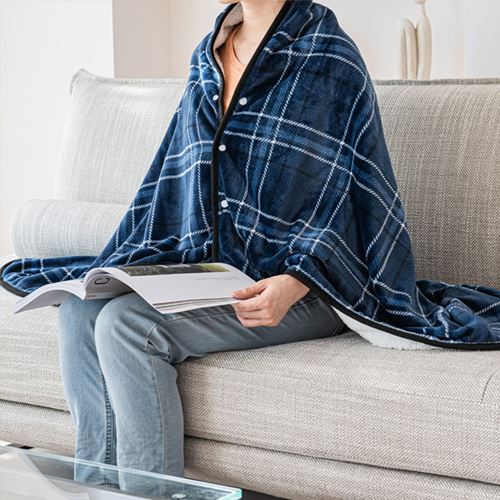
One of the key features of acrylic blankets is their insulating properties. These blankets are designed to trap air between the fibers, creating a layer of warmth. This is great for cold weather, but it might raise concerns when it comes to hot climates. However, not all acrylic blankets are created equal, and there are factors that can influence their performance in warm conditions.
Factors Affecting Acrylic Blankets in Hot Climates
Thickness and Density
The thickness and density of an acrylic blanket play a significant role in its suitability for a hot climate. Thicker and denser blankets will generally retain more heat, making them less comfortable in warm weather. On the other hand, thinner and more lightweight acrylic blankets can be a better option. These blankets allow for better air circulation, which helps to dissipate heat and keep the body cool.
For example, our Acrylic Blanket comes in different thicknesses. The lighter - weight versions are crafted with a looser weave, allowing air to move through the fibers more freely. This makes them more breathable and suitable for use in warmer temperatures.
Weave Pattern
The weave pattern of an acrylic blanket also affects its breathability. A tight weave can restrict air flow, causing the blanket to feel stuffy and hot. In contrast, a loose or open - weave pattern promotes better ventilation. Some acrylic blankets are designed with a honeycomb or mesh - like weave, which enhances air circulation and reduces heat retention.
Moisture Wicking
In a hot climate, sweating is inevitable. An ideal blanket should be able to wick away moisture from the body to keep the user dry and comfortable. Acrylic fibers have some moisture - wicking properties, but they may not be as effective as natural fibers like cotton or bamboo. However, some advanced acrylic blankets are treated with special finishes to improve their moisture - management capabilities.
Benefits of Using Acrylic Blankets in Hot Climates
Despite the concerns about heat retention, there are several benefits to using acrylic blankets in hot climates.
Versatility
Acrylic blankets can be used in a variety of settings. For instance, they can be used as a light cover on a bed at night, providing a sense of security without overheating. They can also be taken outdoors for picnics or beach outings. The ability to use the blanket in different situations makes it a versatile addition to any home.
Cost - Effectiveness
Acrylic blankets are generally more affordable than blankets made from natural fibers. This means that you can purchase multiple blankets for different areas of your home or for different uses without breaking the bank. If you are in a hot climate and need a lightweight blanket for occasional use, an acrylic blanket can be a budget - friendly option.
Easy Maintenance
Acrylic blankets are easy to care for. They can be machine - washed and dried, and they do not require special detergents or cleaning methods. This is especially convenient in a hot climate where blankets may need more frequent washing due to sweating and exposure to dirt.
Alternatives to Acrylic Blankets in Hot Climates
If you find that an acrylic blanket is still too warm for your needs in a hot climate, there are other options available.
Polar Fleece and Sherpa Shawl Blanket
Our Polar Fleece and Sherpa Shawl Blanket is a great alternative. Polar fleece is a lightweight and breathable fabric that is known for its softness and warmth. It has excellent moisture - wicking properties, which make it suitable for warm weather. The sherpa lining adds an extra layer of comfort without being overly hot.
Flannel and Sherpa Shawl Blanket
The Flannel and Sherpa Shawl Blanket is another option. Flannel is a soft and breathable fabric that is often made from cotton. It is lightweight and can be a good choice for hot climates. The sherpa lining provides a cozy feel without excessive heat retention.
Making the Right Choice
When deciding whether an acrylic blanket is suitable for a hot climate, it is important to consider your personal preferences and specific needs. If you prefer a lightweight, breathable blanket that is easy to maintain and affordable, an acrylic blanket may be a good choice. However, if you are extremely sensitive to heat or need a blanket with superior moisture - wicking properties, you may want to explore other options like the Polar Fleece and Sherpa Shawl Blanket or the Flannel and Sherpa Shawl Blanket.
As a supplier, we are committed to providing high - quality blankets that meet the diverse needs of our customers. If you have any questions about our products or need further advice on choosing the right blanket for your climate, please feel free to contact us. We are more than happy to assist you in making an informed decision.
Whether you are looking for a blanket for your bedroom, living room, or outdoor activities, we have a wide range of options to choose from. Our team of experts can help you find the perfect blanket that combines comfort, style, and functionality. So, don't hesitate to reach out to us and start exploring our collection of blankets today.
References
- "Textile Science: Fibers, Yarns, and Fabrics" by John H. Tsai
- "Handbook of Fiber Science and Technology" edited by Menachem Lewin and Eli M. Pearce