

Are cooling blankets resistant to wrinkles?
Jan 05, 2026
Leave a message
Are cooling blankets resistant to wrinkles? This is a question that many consumers often ask when considering purchasing a cooling blanket. As a supplier of cooling blankets, I'd like to delve into this topic in detail and share some insights based on our experiences and relevant scientific knowledge.
Understanding Cooling Blankets
Before we discuss their wrinkle - resistance, let's first understand what cooling blankets are. Cooling blankets are designed to provide a cool and comfortable sleeping environment, especially during hot summer nights. They are made from various materials, each with its own unique properties. Some common materials include bamboo, cotton, and special synthetic fibers.
Cooling Blanket usually work through different mechanisms. For example, some use phase - change materials that absorb and release heat to maintain a relatively stable temperature. Others are made of breathable fabrics that allow air to circulate, reducing the build - up of heat and moisture.
Factors Affecting Wrinkle Resistance
Material Composition
The material of the cooling blanket plays a crucial role in its wrinkle - resistance.
- Cotton: Cotton Blanket is a popular choice for cooling blankets due to its breathability and softness. However, pure cotton is prone to wrinkling. Cotton fibers are relatively flexible and can easily deform when subjected to pressure or movement. When you sleep on a cotton cooling blanket, the tossing and turning during the night can cause the fabric to bunch up and form wrinkles. The natural structure of cotton makes it difficult to resist these forces, and it often requires ironing or steaming to smooth out the wrinkles.
- Synthetic Fibers: Many modern cooling blankets incorporate synthetic fibers such as polyester or nylon. These fibers are generally more wrinkle - resistant than cotton. Polyester, for instance, has a more rigid molecular structure. It can better maintain its shape and is less likely to wrinkle under normal use. When blended with other materials, polyester can enhance the overall wrinkle - resistance of the cooling blanket. For example, a cooling blanket made of a cotton - polyester blend may be less wrinkled compared to a pure cotton one.
- Bamboo: Bamboo is another material used in cooling blankets. Bamboo fibers are naturally smooth and have some degree of elasticity. They can resist wrinkles to a certain extent. Bamboo cooling blankets are often more resistant to wrinkling than pure cotton blankets because the bamboo fibers can better bounce back to their original shape after being compressed.
Weave and Knit
The way the fabric is woven or knitted also affects its wrinkle - resistance.
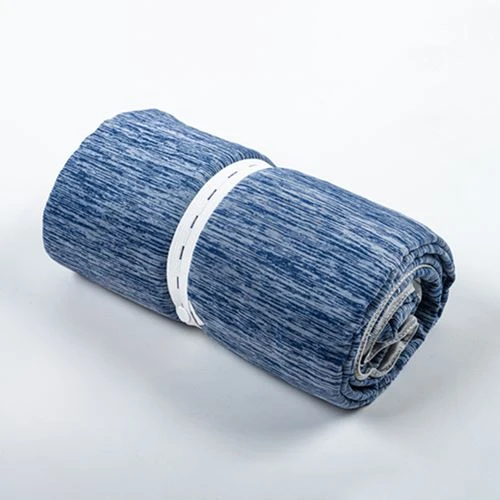
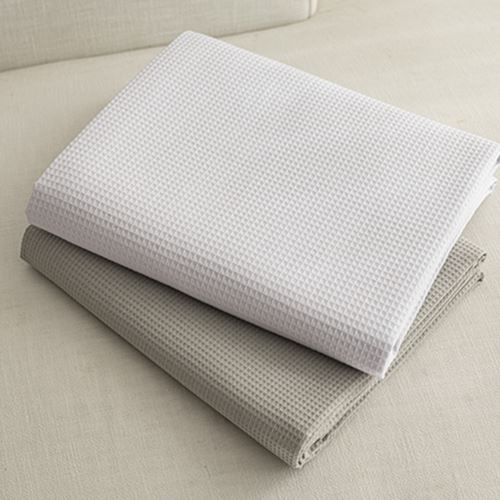
- Tightly Woven Fabrics: A tightly woven fabric has less space between the fibers. This makes it more difficult for the fabric to bunch up and form wrinkles. For example, a cooling blanket with a twill weave is generally more wrinkle - resistant than a plain - weave blanket. The twill weave creates a diagonal pattern that interlocks the fibers more securely, providing better resistance to wrinkling.
- Loose Knits: On the other hand, loose - knit cooling blankets are more likely to wrinkle. The open structure of a loose knit allows the fibers to move more freely, and they can easily get tangled and form wrinkles. Knitted cooling blankets may be softer and more stretchy, but they often require more care to keep them wrinkle - free.
Finishing Treatments
Some cooling blankets undergo special finishing treatments to improve their wrinkle - resistance. These treatments can include applying chemical coatings or using heat - setting processes.
- Wrinkle - Resistant Coatings: A wrinkle - resistant coating can be applied to the surface of the fabric. This coating forms a thin layer that helps the fabric maintain its shape. It reduces the friction between the fibers and makes it easier for the fabric to slide over itself without bunching up. However, these coatings may wear off over time with repeated washing.
- Heat - Setting: Heat - setting is a process where the fabric is heated to a specific temperature and then cooled rapidly. This process helps to "set" the fibers in a particular shape, making the fabric more resistant to wrinkling. Cooling blankets that have been heat - set are less likely to form deep - set wrinkles and may require less ironing.
Real - World Performance
In real - world use, the wrinkle - resistance of cooling blankets can vary depending on how they are used and cared for.
- Sleeping Habits: If you are a restless sleeper who moves around a lot during the night, your cooling blanket is more likely to wrinkle, regardless of its material or construction. The constant movement and pressure can cause the fabric to bunch up and form wrinkles. On the other hand, if you sleep relatively still, the blanket will be less likely to wrinkle.
- Laundering: How you wash and dry your cooling blanket also affects its wrinkle - resistance. Over - drying in a hot dryer can cause the fabric to shrink and wrinkle. It is recommended to follow the care instructions on the blanket label. For example, using a low - heat setting in the dryer or air - drying can help reduce the formation of wrinkles. Additionally, shaking the blanket out before folding it can prevent the wrinkles from setting in.
Advantages of Wrinkle - Resistant Cooling Blankets
- Convenience: Wrinkle - resistant cooling blankets are more convenient for consumers. You don't have to spend time ironing or steaming the blanket every time you want to use it. This is especially beneficial for busy people who don't have a lot of time for household chores. You can simply make your bed with a wrinkle - resistant cooling blanket, and it will look neat and presentable without much effort.
- Long - Term Appearance: A cooling blanket that resists wrinkles will maintain its good appearance over a longer period. Wrinkles can make a blanket look old and worn out, even if it is relatively new. By choosing a wrinkle - resistant cooling blanket, you can ensure that your blanket looks fresh and clean for a longer time, enhancing the overall aesthetic of your bedroom.
Conclusion
In conclusion, whether cooling blankets are resistant to wrinkles depends on several factors, including the material composition, weave or knit, and finishing treatments. While no cooling blanket is completely wrinkle - free, some materials and designs are better at resisting wrinkles than others. Synthetic fibers, certain weaves, and special finishing treatments can all contribute to improved wrinkle - resistance.
If you are in the market for a cooling blanket and are concerned about wrinkles, consider choosing a blanket made from a wrinkle - resistant material or one that has been treated to reduce wrinkling. As a cooling blanket supplier, we offer a wide range of products with different levels of wrinkle - resistance to meet your needs.
If you are interested in purchasing our cooling blankets or have any questions about our products, we welcome you to contact us for a procurement discussion. We can provide you with more detailed information about the materials, features, and prices of our cooling blankets.
References
- Textile Science textbooks, which provide in - depth knowledge about fabric materials, weaves, and their properties.
- Industry research reports on the development and performance of cooling blankets.
- Consumer reviews and feedback on different cooling blanket products, which offer real - world insights into their wrinkle - resistance.