

What is the warmth - to - weight ratio of a Dyed Flannel Blanket?
Dec 08, 2025
Leave a message
Hey there! As a supplier of Dyed Flannel Blankets, I often get asked about the warmth - to - weight ratio of these cozy blankets. So, I thought I'd take some time to break it down for you.
First off, let's talk about what the warmth - to - weight ratio actually means. In simple terms, it's a measure of how much warmth a blanket can provide relative to its weight. A high warmth - to - weight ratio means you get a lot of warmth without having to lug around a super heavy blanket. This is especially important for things like camping, traveling, or just using at home when you don't want to be weighed down.
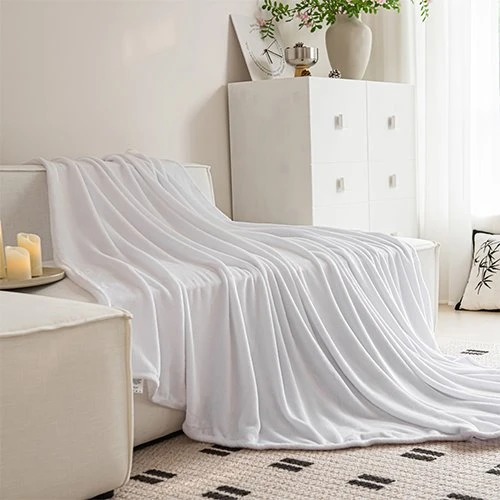
Now, when it comes to Dyed Flannel Blankets, they've got some pretty cool features that contribute to their warmth - to - weight ratio. Flannel itself is a soft, fuzzy fabric that's made from wool, cotton, or a blend of the two. The fuzziness of the fabric creates tiny air pockets. These air pockets are like little insulation chambers. They trap warm air close to your body, which helps keep you toasty. And the best part? Flannel doesn't have to be super thick or heavy to create these air pockets.
Let's compare Dyed Flannel Blankets with some other types of blankets. Take the Bubble Flannel Blanket for example. The bubble texture of this blanket also creates air pockets, but the structure of the bubbles might add a bit more bulk and weight compared to a regular Dyed Flannel Blanket. So, while it's warm, its warmth - to - weight ratio might not be as high as that of a Dyed Flannel Blanket.
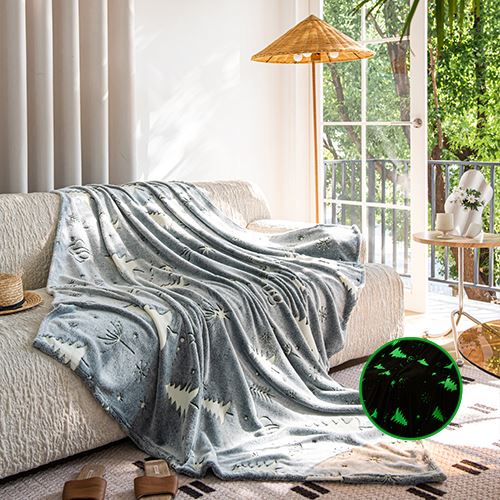
Then there's the Glowing Blanket. This one has the added feature of being able to glow, which is really cool. But the technology or materials used to make it glow might add some extra weight. So again, in terms of getting the most warmth for the least amount of weight, a Dyed Flannel Blanket might come out on top.
One of the factors that affects the warmth - to - weight ratio of a Dyed Flannel Blanket is the type of dye used. Some dyes can add a little bit of weight to the fabric, but modern dyeing techniques are designed to minimize this. The good news is that most of the weight of a Dyed Flannel Blanket still comes from the fabric itself, not the dye. And the color that the dye adds doesn't just make the blanket look great; it can also have a small impact on its warmth. Darker colors tend to absorb more heat from the environment, which can give you a little extra warmth boost.
The thickness of the flannel also plays a role. Thicker flannel will generally be warmer, but it will also be heavier. However, manufacturers have found a sweet spot. They make Dyed Flannel Blankets that are thick enough to be warm but not so thick that they become too heavy. This way, you can enjoy a high warmth - to - weight ratio.
Another thing to consider is the quality of the yarn used in the flannel. Higher - quality yarns are often more tightly woven, which means they can create more and better - formed air pockets. This leads to better insulation and a higher warmth - to - weight ratio. When you're looking at a Dyed Flannel Blanket, you can usually tell the quality of the yarn by how soft and smooth the fabric feels. A high - quality Dyed Flannel Blanket will feel luxurious and will be very effective at keeping you warm without being overly heavy.
If you're someone who likes to take your blanket with you on the go, a high warmth - to - weight ratio is a must. You don't want to be carrying around a heavy blanket in your backpack when you're hiking or traveling. A Dyed Flannel Blanket can easily be folded up and packed away. It's light enough to not be a burden, but when you unfurl it, it'll keep you warm and comfortable.
At home, a Dyed Flannel Blanket with a good warmth - to - weight ratio is also great. You can snuggle up on the couch and watch a movie without feeling like you're being crushed by a heavy blanket. It's just the right balance of warmth and lightness.
Now, I know you might be thinking, "This all sounds great, but how do I know if the Dyed Flannel Blanket I'm buying has a good warmth - to - weight ratio?" Well, one way is to look at the product specifications. Most reputable suppliers will list the weight of the blanket and give you an idea of how warm it is. You can also read reviews from other customers. They'll often mention how warm the blanket is and whether it feels heavy or light.
As a supplier of Dyed Flannel Blankets, I can tell you that we work hard to make sure our blankets have the best possible warmth - to - weight ratio. We use high - quality materials, the latest dyeing techniques, and top - notch manufacturing processes. And we test our blankets to make sure they meet our standards.
If you're interested in our Dyed Flannel Blankets, head over to our Dyed Flannel Blanket page to check out our selection. Whether you're looking for a blanket for camping, traveling, or just for everyday use at home, we've got you covered. And if you have any questions or want to discuss a bulk purchase, don't hesitate to reach out. We're always happy to talk about our products and help you find the perfect blanket for your needs.
In conclusion, the warmth - to - weight ratio of a Dyed Flannel Blanket is pretty impressive. Thanks to the properties of flannel, the dyeing techniques, and the careful balance of thickness and yarn quality, these blankets offer a lot of warmth without a lot of weight. So, if you're in the market for a new blanket, give a Dyed Flannel Blanket a try. You won't be disappointed.
References
- Textile Industry Reports on Flannel Properties
- Customer Reviews on Flannel Blankets