

What is the softness level of a cooling blanket?
Jan 21, 2026
Leave a message
Hey there, folks! I'm a supplier of cooling blankets, and today I want to dive deep into a question that many of you might be curious about: What is the softness level of a cooling blanket?
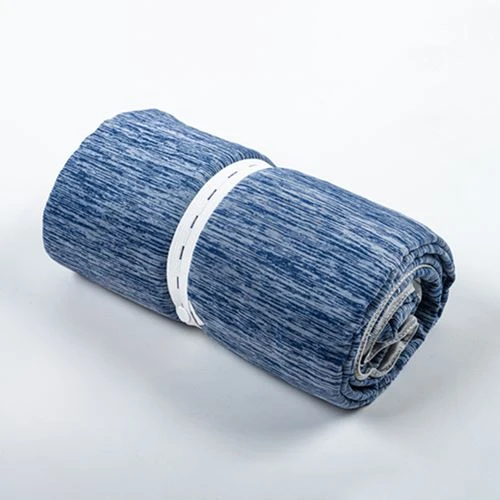
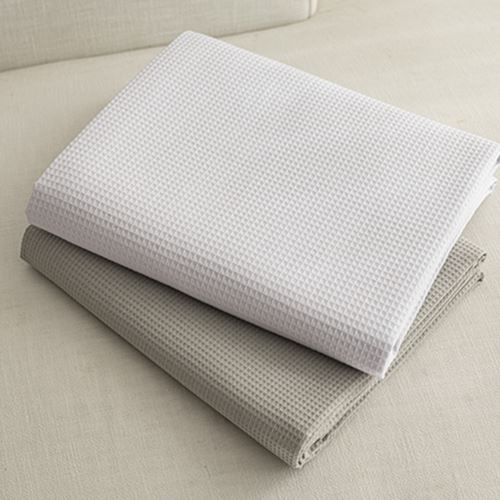
First things first, let's talk about why softness matters in a cooling blanket. When you're looking for a cooling blanket, you're not just after the cooling effect. You also want something that feels nice against your skin. After all, you'll be snuggling up with this blanket, and a rough or scratchy one can really ruin the experience.
Now, let's get into the different factors that affect the softness level of a cooling blanket. The material is one of the most important aspects. There are several types of materials used in making cooling blankets, and each has its own level of softness.
One common material is polyester. Polyester cooling blankets are known for their durability and cooling properties. They can wick away moisture quickly, which helps keep you cool at night. However, in terms of softness, polyester can vary. Some polyester cooling blankets have a smooth and silky feel, while others might be a bit stiffer. It really depends on the quality and the way it's been processed.
Another popular material is bamboo. Bamboo cooling blankets are super soft. Bamboo fibers are naturally smooth and gentle on the skin. They also have antibacterial and hypoallergenic properties, which is a big plus if you have sensitive skin. The softness of a bamboo cooling blanket is almost like a gentle caress, making it a great choice for those who value comfort.
Cotton is also a classic material for blankets, including cooling ones. A Cotton Blanket can be incredibly soft, especially if it's made from high - quality cotton like Egyptian cotton. Cotton is breathable and absorbent, which helps with the cooling effect. It has a natural, cozy feel that many people love. The fibers are flexible and don't irritate the skin, so it's a safe bet for a soft and comfortable cooling experience.
Now, let's talk about how the construction of the blanket affects its softness. The weave of the fabric plays a big role. A tight weave might make the blanket more durable but could also reduce its softness. On the other hand, a looser weave can give the blanket a softer, more drapey feel. For example, a sateen weave often gives a cooling blanket a smooth and soft finish, while a twill weave might be a bit sturdier but still relatively soft.
The finishing treatments also matter. Some cooling blankets go through processes like brushing or sanding to make the surface softer. This can fluff up the fibers and create a plush texture. Others might be treated with special softeners to enhance the softness.
When it comes to comparing the softness levels of different cooling blankets, it can be a bit tricky. There isn't really a standard scale to measure softness. But you can get an idea by touching the blankets in person. If you're shopping online, reading customer reviews can be really helpful. People often talk about how soft the blanket feels and whether it meets their expectations.
As a cooling blanket supplier, I know that softness is just one of the many factors you consider when buying a cooling blanket. You also care about the cooling performance, the size, and the price. But I believe that a soft cooling blanket can really enhance your comfort level, whether you're using it on a hot summer night or in an over - heated room.
Our Cooling Blanket selection is carefully curated to offer a great balance of softness and cooling. We have a variety of materials and styles to suit different preferences. Whether you prefer the smoothness of polyester, the gentle touch of bamboo, or the classic feel of cotton, we've got you covered.
If you're in the market for a cooling blanket and want to learn more about our products, I'd love to have a chat with you. I can answer all your questions about the softness, the cooling technology, or any other concerns you might have. Whether you're buying for yourself or for your business, we can work out the best solution for you. So, don't hesitate to reach out and start a conversation about your cooling blanket needs. Let's find the perfect soft and cool blanket for you!
References
- Johnson, R. (2020). Textile Materials and Their Properties. Publisher: Fabric Press
- Smith, A. (2021). Comfort in Bedding: A Comprehensive Guide. Publisher: Sleepy Books