

What is the lifespan of a cooling blanket?
Nov 14, 2025
Leave a message
When it comes to enhancing sleep quality during hot nights, a Cooling Blanket has become a popular choice for many. As a supplier of cooling blankets, I often get asked about their lifespan. Understanding how long a cooling blanket can last is crucial for consumers as it helps in making an informed purchasing decision and also in proper maintenance to extend its usability.
Factors Affecting the Lifespan of a Cooling Blanket
Material Quality
The material used in the construction of a cooling blanket plays a significant role in determining its lifespan. High - quality cooling blankets are typically made from advanced fabrics that are designed to be durable and maintain their cooling properties over time. For instance, some cooling blankets are made from a blend of moisture - wicking synthetic fibers and natural materials. These materials are engineered to resist wear and tear, and they can withstand repeated washing without losing their effectiveness.
On the other hand, lower - quality blankets may be made from cheaper materials that are more prone to pilling, fraying, and losing their cooling abilities quickly. For example, a cooling blanket made from a thin, low - grade polyester may start to show signs of deterioration after just a few months of use. As a supplier, I always recommend investing in a cooling blanket made from high - quality materials, even if it means paying a bit more upfront, as it will save money in the long run.
Frequency of Use
How often you use your cooling blanket also impacts its lifespan. If you use it every night throughout the year, it will naturally experience more wear and tear compared to a blanket that is only used occasionally during the hottest months. Frequent use means more friction against the body, more exposure to sweat and body oils, and more trips through the washing machine.
For example, a person who uses their cooling blanket every night may notice a decline in its cooling performance and overall quality after 2 - 3 years. In contrast, someone who only uses it for a few weeks during the summer might get 5 years or more of use out of the same blanket.
Maintenance and Care
Proper maintenance and care are essential for extending the lifespan of a cooling blanket. Following the manufacturer's care instructions is crucial. Most cooling blankets can be machine - washed, but it's important to use a gentle cycle and mild detergent. Avoid using harsh chemicals or bleach, as these can damage the fabric and reduce its cooling properties.
Over - washing can also be detrimental. While it's important to keep the blanket clean, washing it too frequently can cause the fibers to break down faster. Additionally, drying the blanket properly is important. High - heat drying can shrink the fabric and damage the cooling technology. It's best to air - dry the blanket or use a low - heat setting in the dryer.
Average Lifespan of Different Types of Cooling Blankets
Gel - Infused Cooling Blankets
Gel - infused cooling blankets are designed to absorb and dissipate body heat. These blankets typically have a lifespan of about 2 - 3 years. The gel technology can start to degrade over time, especially if the blanket is exposed to high temperatures or rough handling. The gel may lose its ability to absorb heat effectively, and the fabric may start to show signs of wear.
However, with proper care, such as avoiding direct sunlight and following the recommended washing instructions, you can extend the lifespan of a gel - infused cooling blanket. Some high - end gel - infused blankets may last up to 5 years if well - maintained.
Phase - Change Material (PCM) Cooling Blankets
PCM cooling blankets use a special material that changes phase at a certain temperature to absorb and release heat. These blankets generally have a longer lifespan compared to gel - infused blankets, usually around 3 - 5 years. The PCM technology is more stable and less prone to degradation.
The fabric used in PCM blankets is also often of high quality, which contributes to their durability. As long as the blanket is not exposed to extreme conditions and is cared for properly, it can provide effective cooling for several years.
Cotton Blanket with Cooling Properties
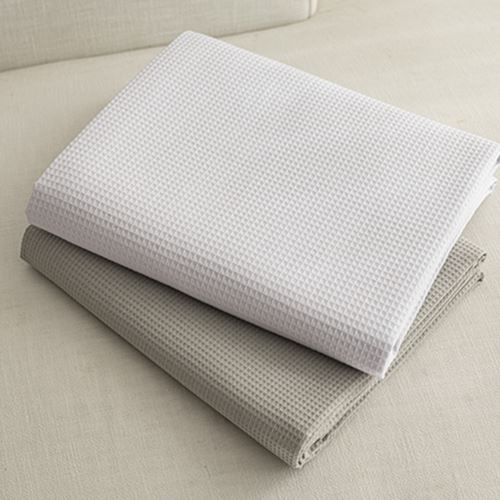
Cotton blankets with cooling properties, such as those treated with a cooling finish or made from a special type of cotton, can last anywhere from 3 - 7 years. Cotton is a natural and durable fiber, and if it is of good quality, it can withstand regular use and washing.
The cooling finish on these blankets may start to wear off over time, but the cotton fabric itself will still provide some level of breathability and comfort. With proper care, the cooling properties can be maintained for a longer period.
Signs That Your Cooling Blanket Needs to Be Replaced
Loss of Cooling Performance
One of the most obvious signs that your cooling blanket needs to be replaced is a significant loss of its cooling ability. If you find that you're no longer feeling cool when using the blanket, even on hot nights, it may be time to invest in a new one. This could be due to the degradation of the cooling technology or the fabric losing its ability to wick away moisture.
Visible Wear and Tear
Visible signs of wear and tear, such as holes, fraying edges, or excessive pilling, are also indicators that your cooling blanket has reached the end of its lifespan. These issues not only affect the appearance of the blanket but can also impact its functionality. For example, a hole in a gel - infused blanket may cause the gel to leak out, rendering the blanket ineffective.
Unpleasant Odor
If your cooling blanket develops an unpleasant odor that doesn't go away even after washing, it may be time to replace it. This odor could be a sign of bacteria growth, which can occur if the blanket is not cleaned properly or if the fabric has started to break down.
Tips to Extend the Lifespan of Your Cooling Blanket
Use a Protective Cover
Using a protective cover for your cooling blanket can significantly extend its lifespan. A cover can act as a barrier between the blanket and your body, reducing the amount of sweat and body oils that come into contact with the blanket. It also makes it easier to clean, as you can simply wash the cover instead of the entire blanket.
Rotate the Blanket
If possible, rotate the blanket regularly. This helps to distribute the wear evenly across the entire surface of the blanket. For example, if you always sleep on the same side of the blanket, that side will experience more wear and tear. By rotating it, you can ensure that all parts of the blanket are used equally.
Store the Blanket Properly
When not in use, store your cooling blanket in a cool, dry place. Avoid storing it in a damp or humid environment, as this can promote the growth of mold and mildew. You can also fold the blanket neatly and place it in a storage container to protect it from dust and pests.
Conclusion
As a supplier of cooling blankets, I understand the importance of providing customers with information about the lifespan of these products. The lifespan of a cooling blanket can vary depending on factors such as material quality, frequency of use, and maintenance. On average, a cooling blanket can last anywhere from 2 - 7 years, but with proper care, you can extend its usability.
If you're in the market for a new cooling blanket or are looking to replace an old one, I encourage you to reach out for more information. We offer a wide range of high - quality cooling blankets that are designed to provide long - lasting comfort and cooling. Contact us to discuss your specific needs and start a purchasing negotiation.
References
- Textile Research Journal, various issues on fabric durability and performance.
- Consumer Reports on bedding products, including cooling blankets.
- Manufacturer's guidelines for cooling blanket care and maintenance.