

What is the difference between a cotton blanket and a polyester blanket?
Dec 26, 2025
Leave a message
When it comes to choosing a blanket, one of the most common decisions consumers face is whether to opt for a cotton blanket or a polyester blanket. As a supplier of high - quality Cotton Blanket, I've had extensive experience with both types of blankets and can shed light on their differences.
Material and Manufacturing
Cotton is a natural fiber derived from the cotton plant. The process of making cotton blankets starts with harvesting the cotton bolls. These are then ginned to separate the fibers from the seeds. After that, the fibers are spun into yarn, which can be woven or knitted into blankets. This natural origin gives cotton blankets a unique and organic feel.
On the other hand, polyester is a synthetic fiber. It is created through a chemical process using petroleum as a raw material. The polyester fibers are extruded, and then they are also spun into yarns and made into blankets. The manufacturing of polyester is more industrial - based and can be precisely controlled, allowing for a high degree of consistency in the final product.
Comfort and Softness
Cotton blankets are renowned for their softness. The natural fibers are gentle on the skin, making them an excellent choice for people with sensitive skin. They have a plush and cozy feel that can provide a comforting and relaxing experience when you wrap yourself in them. The fibers are breathable, which means they allow air to circulate, reducing the likelihood of overheating during sleep.
Polyester blankets, while they can be made to feel soft, often lack the same level of natural softness as cotton. The synthetic fibers can sometimes have a slightly plastic - like texture. However, modern manufacturing techniques have improved the softness of polyester blankets, and some high - end ones can come close to the comfort of cotton. But in general, for those who prioritize a truly soft and natural feel, cotton is the better option.
Breathability and Temperature Regulation
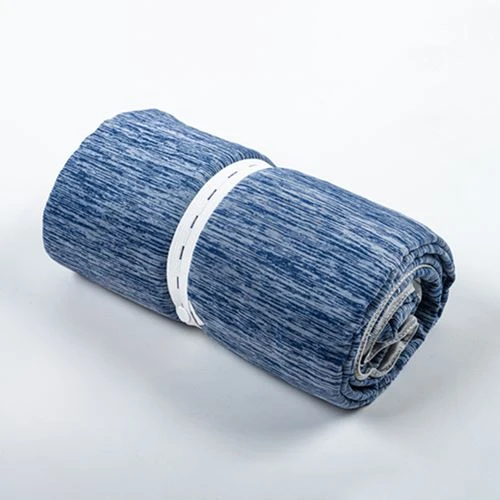
One of the key advantages of cotton blankets is their breathability. The porous nature of cotton fibers allows moisture, such as sweat, to evaporate easily. This makes cotton blankets ideal for year - round use. In the summer, they can help keep you cool by wicking away sweat and allowing air to flow through. For example, our Cooling Blanket made of cotton is very popular during hot months as it provides a cooling effect.
Polyester is less breathable compared to cotton. It tends to trap heat and moisture, which can make you feel hot and sticky during sleep. While there are some moisture - wicking polyester blankets on the market, they still generally don't perform as well as cotton in terms of breathability. So, if you live in a warm climate or tend to sleep hot, a cotton blanket is a much better choice.
Durability
Cotton blankets are quite durable when properly cared for. High - quality cotton blankets can last for many years. However, they can shrink if not washed correctly, and over time, the fibers may start to wear out, especially if they are exposed to harsh detergents or high - heat drying.
Polyester blankets are known for their durability. The synthetic fibers are resistant to stretching, shrinking, and wrinkling. They can withstand frequent washing and drying without significant damage. Polyester blankets also tend to be more resistant to mildew and mold compared to cotton, which can be a plus in humid environments.
Hypoallergenic Properties
Cotton is a natural and hypoallergenic material. It is less likely to cause allergic reactions, making it suitable for people with allergies or asthma. The natural fibers are free from the chemicals and synthetic substances that can trigger allergic responses in some individuals.
Polyester, being a synthetic material, may cause allergic reactions in some people. The chemicals used in the manufacturing process can sometimes irritate the skin. However, there are hypoallergenic polyester blankets available, but they may require special treatment during production to reduce the risk of allergies.
Cost
In general, cotton blankets tend to be more expensive than polyester blankets. The cost of growing, harvesting, and processing cotton is relatively high. Additionally, high - quality cotton, such as Egyptian cotton or Pima cotton, can be even more costly.
Polyester is a cheaper material to produce due to its synthetic nature and the fact that it is derived from petroleum, which is widely available. This cost - effectiveness makes polyester blankets an attractive option for budget - conscious consumers.
Environmental Impact
Cotton is a renewable resource, which is a positive aspect from an environmental perspective. However, the cotton industry can be water - intensive, and the use of pesticides and fertilizers in cotton farming can have a negative impact on the environment. Organic cotton, which is grown without the use of harmful chemicals, is a more environmentally friendly option but is often more expensive.
Polyester is made from non - renewable petroleum resources. The production of polyester also involves a significant amount of energy and the release of greenhouse gases. Additionally, polyester does not biodegrade easily, which means it can contribute to landfill waste.
Aesthetic Appeal
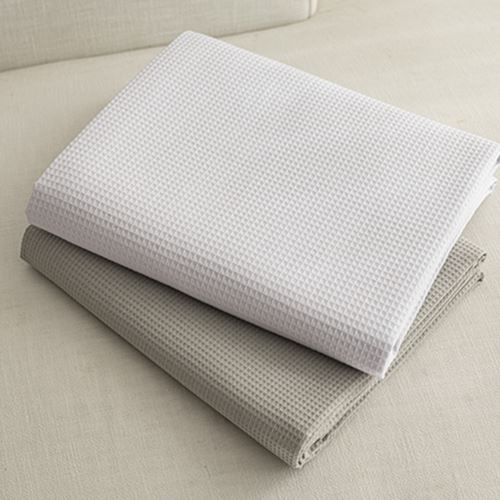
Cotton blankets often have a more natural and rustic look. The texture of the cotton fibers gives the blankets a warm and inviting appearance. They can be dyed in a wide range of colors, and the natural fibers absorb dyes well, resulting in rich and vibrant colors.
Polyester blankets can be made to look very smooth and shiny. They can also be printed with detailed and vivid patterns. The synthetic fibers hold their shape well, so the patterns on polyester blankets tend to stay sharp over time.
Maintenance
Cotton blankets usually require more careful maintenance. They should be washed in cold or lukewarm water with mild detergents to prevent shrinking and damage to the fibers. It's best to air - dry cotton blankets or use a low - heat setting in the dryer.
Polyester blankets are easier to maintain. They can be washed in hot water and dried on a high - heat setting without much risk of damage. They also dry faster than cotton blankets, which can be a time - saver.
Conclusion
In conclusion, both cotton and polyester blankets have their own unique characteristics. Cotton blankets offer superior comfort, breathability, and hypoallergenic properties, making them a great choice for those who value a natural and soft sleeping experience. They are also a better option for temperature regulation, especially in warm climates. However, they are more expensive, require more maintenance, and can have some environmental drawbacks.
Polyester blankets, on the other hand, are durable, cost - effective, and easy to maintain. They have a longer lifespan and are more resistant to shrinking and wrinkling. But they lack the breathability and natural softness of cotton and may not be suitable for people with sensitive skin or those who sleep hot.
If you're in the market for a high - quality blanket and are considering a cotton option, I encourage you to reach out to discuss your specific needs. Whether you're a retailer looking to stock our products or an individual interested in purchasing a single blanket, I'm here to assist you. We can discuss the different types of cotton blankets we offer, including our Cooling Blanket, and find the perfect fit for you. Contact us to start a procurement discussion and experience the luxury of our cotton blankets.
References
- "Textiles: Science and Technology" by J. E. Booth
- "The Handbook of Fiber Science and Technology" edited by Mark Lewin and Edward M. Pearce
- Various industry reports on the production and properties of cotton and polyester fibers.