

What is the absorbency of a cotton blanket?
Nov 26, 2025
Leave a message
Hey there! As a supplier of Cotton Blanket, I often get asked about the absorbency of cotton blankets. It's a pretty important factor, especially when you're thinking about using a blanket for different purposes. So, let's dive right into what the absorbency of a cotton blanket really means.
What Makes Cotton Good at Absorbing?
Cotton is a natural fiber, and it has some unique properties that make it great at soaking up moisture. First off, the structure of cotton fibers is like a bunch of tiny tubes. These tubes can hold water inside them. When you spill something on a cotton blanket or when you sweat while sleeping under it, the water molecules get trapped in these little fiber tubes.
Another thing is that cotton is hydrophilic, which is just a fancy word for "water-loving." The chemical makeup of cotton allows it to attract water. It's like a magnet for moisture. This is why cotton clothes are so popular in the summer. They can absorb your sweat and keep you feeling dry and comfortable.
How Absorbent Are Cotton Blankets?
The absorbency of a cotton blanket can vary depending on a few things. The type of cotton used is a big factor. There are different varieties of cotton, like Egyptian cotton, Pima cotton, and regular upland cotton. Egyptian and Pima cotton are known for their long fibers, which can hold more water compared to shorter-fiber cotton.
The weave of the blanket also matters. A tightly woven cotton blanket might not be as absorbent as a loosely woven one. That's because the tight weave doesn't give the water as much space to get into the fibers. On the other hand, a loosely woven blanket has more gaps between the fibers, allowing water to penetrate more easily.
On average, a good-quality cotton blanket can absorb about 27 - 30% of its weight in water. That means if you have a 1 - pound cotton blanket, it can soak up around 0.27 - 0.3 pounds of water. That's pretty impressive, right?
Why Absorbency Matters
Absorbency is crucial for several reasons. If you're using a cotton blanket as a bedspread, it can absorb your sweat while you sleep. This helps to keep you dry and prevents that sticky, uncomfortable feeling that comes with sleeping on a non - absorbent surface. It also reduces the chances of developing skin rashes and other skin problems that can be caused by prolonged exposure to moisture.
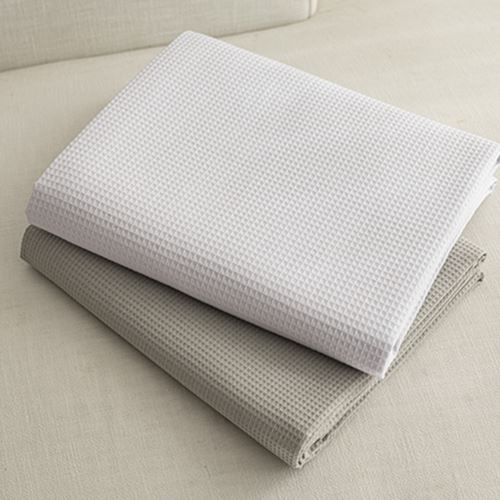
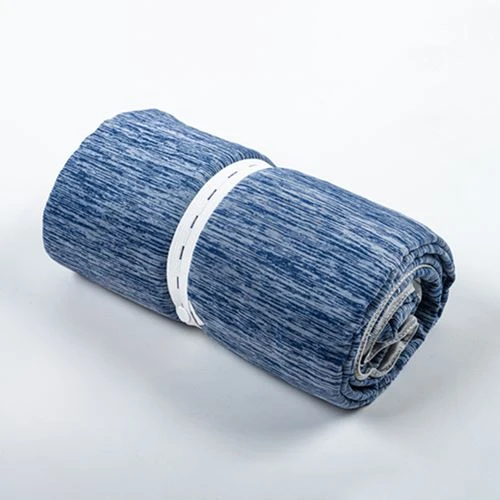
For those who like to use their blankets outdoors, say for a picnic or at the beach, absorbency is also important. If you spill a drink on the blanket or if it gets wet from the dew in the morning, the cotton can soak up the liquid, and you can still use the blanket without it being completely soggy.
Comparing with Other Types of Blankets
Let's take a look at how cotton blankets stack up against other types of blankets in terms of absorbency. Cooling Blanket is another popular option, especially in the summer. Some cooling blankets are made with synthetic materials that are designed to wick away moisture quickly. While they can be effective at moving moisture away from your body, they might not actually absorb as much water as a cotton blanket.
Wool blankets are also known for their absorbency. They can hold up to 30% of their weight in water, similar to cotton. However, wool can feel scratchy for some people, and it might not be the best choice if you have sensitive skin.
Synthetic blankets, like those made from polyester, are generally not very absorbent. They tend to repel water rather than soak it up. This can be a problem if you're looking for a blanket that can keep you dry when you're sweating or if you accidentally spill something on it.
Maintaining the Absorbency of Your Cotton Blanket
To keep your cotton blanket's absorbency at its best, you need to take proper care of it. When washing your blanket, avoid using fabric softeners. Fabric softeners can coat the cotton fibers and reduce their ability to absorb water. Instead, use a mild detergent and wash the blanket in cold or warm water.
Drying the blanket properly is also important. You can either air - dry it or use a low - heat setting in the dryer. High heat can damage the cotton fibers and make them less absorbent over time.
Using Cotton Blankets for Different Purposes
Because of their absorbency, cotton blankets can be used in many different ways. They're great for bedding, as I mentioned before. You can also use them as throws on your couch. If you spill a cup of coffee on the throw, the cotton will soak it up, and you can quickly clean it up before it stains.
For parents, cotton blankets are a great choice for swaddling babies. Babies tend to sweat a lot, and the absorbency of the cotton blanket will keep them dry and comfortable. It's also a natural and safe material for their sensitive skin.
The Business Side of Cotton Blanket Absorbency
As a supplier of Cotton Blanket, I know that the absorbency of our blankets is a selling point. Customers are always looking for products that can meet their needs, and the ability of a cotton blanket to absorb moisture is a major factor for many of them.
We make sure to source the best - quality cotton and use the right weaving techniques to ensure that our blankets have optimal absorbency. We also provide care instructions to our customers so that they can maintain the absorbency of the blankets over time.
Conclusion
So, there you have it! The absorbency of a cotton blanket is a really important feature that makes it a versatile and useful product. Whether you're using it for sleeping, as a throw, or for other purposes, the ability of cotton to soak up moisture is what sets it apart from other types of blankets.
If you're in the market for a high - quality, absorbent cotton blanket, I'd love to have a chat with you. We have a wide range of cotton blankets to choose from, and I'm sure we can find the perfect one for your needs. Just reach out to start a conversation about your requirements, and we can work together to make sure you get the best cotton blanket for you.
References
- "Cotton: Properties and Uses." Textile Institute.
- "The Science of Absorbency in Natural Fibers." Journal of Fiber Science.
- "Care and Maintenance of Cotton Products." Home Textiles Association.