

What are the care instructions for transport blankets?
Nov 06, 2025
Leave a message
Transport blankets are essential tools in various scenarios, from medical emergencies to outdoor adventures. As a supplier of high-quality transport blankets, I understand the importance of proper care to ensure their longevity and effectiveness. In this blog post, I'll share some comprehensive care instructions for transport blankets to help you get the most out of these valuable items.
Understanding Different Types of Transport Blankets
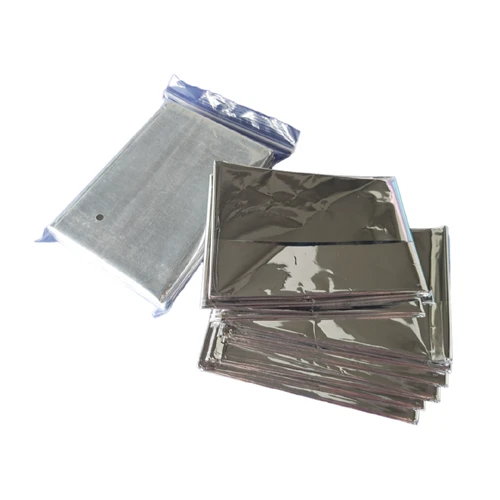
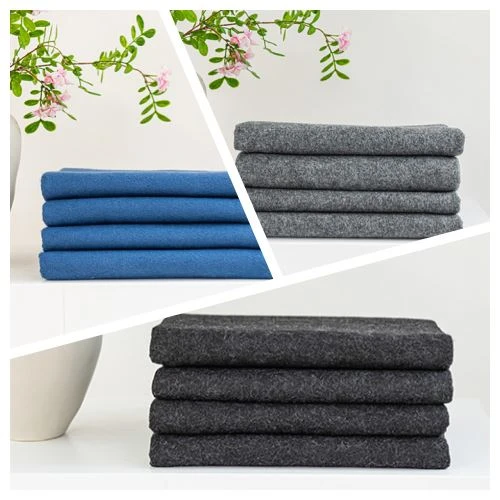
Before diving into the care instructions, it's crucial to understand the different types of transport blankets available. There are mainly two common types: Mylar Emergency Blanket and Non-woven Fabric Blanket. Each type has its unique characteristics and requires specific care methods.
Mylar emergency blankets are made of a thin, reflective material that helps to retain body heat by reflecting infrared radiation. They are lightweight, compact, and highly portable, making them ideal for emergency situations. On the other hand, non-woven fabric blankets are typically thicker and more durable, providing better insulation and comfort. They are often used in medical settings for patient transport.
General Care Guidelines
Regardless of the type of transport blanket you have, there are some general care guidelines that apply to all. These guidelines will help you maintain the quality and functionality of your blankets over time.
Regular Inspection
Regularly inspect your transport blankets for any signs of damage, such as tears, holes, or fraying. If you notice any damage, it's important to repair or replace the blanket as soon as possible to ensure its effectiveness. Inspecting your blankets before and after each use is a good practice to catch any issues early on.
Cleaning
Proper cleaning is essential to keep your transport blankets hygienic and in good condition. However, the cleaning method may vary depending on the type of blanket.
- Mylar Emergency Blankets: Mylar blankets are generally not designed to be washed. Instead, you can simply wipe them down with a damp cloth if they get dirty. Avoid using harsh chemicals or abrasive materials, as these can damage the reflective surface of the blanket. If the blanket is heavily soiled, it may be best to replace it.
- Non-woven Fabric Blankets: Non-woven fabric blankets can usually be machine washed. However, it's important to follow the manufacturer's instructions for washing and drying. Use a mild detergent and a gentle cycle to avoid damaging the fabric. Avoid using bleach or fabric softeners, as these can weaken the fibers of the blanket. After washing, hang the blanket to dry or tumble dry on a low setting.
Storage
Proper storage is also important to prevent damage to your transport blankets. When not in use, store your blankets in a cool, dry place away from direct sunlight. Avoid folding or creasing the blankets for long periods, as this can cause permanent damage. Instead, roll the blankets up and store them in a storage container or bag.
Specific Care Instructions for Mylar Emergency Blankets
As mentioned earlier, mylar emergency blankets require special care due to their delicate nature. Here are some specific care instructions to keep in mind:
Handling
When handling mylar emergency blankets, be gentle to avoid tearing or puncturing the material. Avoid folding the blanket sharply, as this can cause the reflective surface to crack. Instead, roll the blanket up loosely to store it.
Avoiding Heat and Moisture
Mylar blankets are sensitive to heat and moisture. Avoid exposing them to high temperatures or direct sunlight for extended periods, as this can cause the material to warp or melt. Additionally, keep the blankets away from moisture, as this can cause the reflective surface to peel or become less effective.
Protection from Sharp Objects
To prevent damage to the mylar blanket, avoid contact with sharp objects. Be careful when using the blanket in environments where there may be sharp edges or objects, such as in a car or during outdoor activities. If you need to use the blanket in a rough environment, consider using a protective cover or layer to prevent damage.
Specific Care Instructions for Non-woven Fabric Blankets
Non-woven fabric blankets are more durable than mylar blankets, but they still require proper care to maintain their quality. Here are some specific care instructions for non-woven fabric blankets:
Washing Frequency
The frequency of washing your non-woven fabric blanket will depend on how often it is used. If the blanket is used frequently in a medical setting, it may need to be washed after each use to maintain hygiene. However, if the blanket is used less frequently, it can be washed every few uses.
Stain Removal
If your non-woven fabric blanket gets stained, it's important to treat the stain as soon as possible. Blot the stain with a clean cloth or paper towel to remove any excess liquid. Then, apply a small amount of mild detergent to the stain and gently rub it in. Rinse the area with water and blot dry. If the stain persists, you may need to use a stain remover specifically designed for non-woven fabrics.
Fluffing
Over time, non-woven fabric blankets may become compressed and lose their fluffiness. To restore the fluffiness of your blanket, you can tumble dry it on a low setting with a few clean tennis balls. The tennis balls will help to fluff up the fibers of the blanket and make it more comfortable to use.
Importance of Proper Care
Proper care of your transport blankets is not only important for maintaining their quality and functionality but also for ensuring the safety and well-being of the people who use them. In a medical setting, clean and well-maintained blankets are essential for preventing the spread of infection. In an emergency situation, a damaged or ineffective blanket may not provide the necessary warmth and protection, which could have serious consequences.
By following the care instructions outlined in this blog post, you can extend the lifespan of your transport blankets and ensure that they are always ready for use when you need them. Whether you're a medical professional, an outdoor enthusiast, or simply someone who wants to be prepared for emergencies, taking care of your transport blankets is a small investment that can make a big difference.
Contact for Purchase and Further Information
If you're interested in purchasing high-quality transport blankets or have any questions about our products, please don't hesitate to contact us. We offer a wide range of transport blankets to meet your specific needs, including Mylar Emergency Blanket and Non-woven Fabric Blanket. Our team of experts is always available to provide you with more information and assist you with your purchase.
References
- Manufacturer's instructions for transport blankets
- Industry standards and best practices for blanket care
- Research studies on the effectiveness of transport blankets in different settings