

How to store an emergency blanket?
Dec 19, 2025
Leave a message
Hey there! As a supplier of emergency blankets, I've seen firsthand how crucial it is to store these life - saving tools properly. Emergency blankets come in different types, like the Mylar Emergency Blanket, Non - woven Fabric Blanket, and Transport Blanket. Each type has its own storage requirements, but there are also some general guidelines that apply to all of them.
Let's start with why proper storage is so important. An emergency blanket is designed to keep you warm, reflect body heat, and protect you from the elements during an emergency. If it's not stored correctly, it can get damaged, lose its effectiveness, or become dirty and contaminated. And when you really need it, a damaged or ineffective blanket won't do you any good.
General Storage Tips
First off, cleanliness is key. Before you store your emergency blanket, make sure it's clean. If it's dirty, give it a gentle wipe down with a damp cloth. For a mylar emergency blanket, be extra careful not to tear it. These blankets are made of a thin, reflective material that can easily rip. Once it's clean, let it dry completely. You don't want any moisture trapped in there, as it can lead to mold and mildew growth, which will ruin the blanket.
Next, find a cool, dry place to store your blanket. Avoid areas that are prone to high humidity, like basements or bathrooms. High humidity can cause the materials in the blanket to break down over time. A closet or a cabinet in a dry room is a great option. You can also use a plastic storage container to keep the blanket protected from dust and pests.
It's also a good idea to label your storage container. Write "Emergency Blanket" on it so you can easily find it when you need it. And if you have multiple types of emergency blankets, label them separately. This way, you'll know exactly which blanket you're grabbing in a hurry.
Storage for Different Types of Emergency Blankets
Mylar Emergency Blankets
Mylar emergency blankets are super lightweight and highly reflective. They're great for reflecting body heat back to the user. But because they're so thin, they need special care when it comes to storage.
Folding is important. Fold the mylar blanket neatly along its original folds if possible. This will help prevent creases from becoming permanent and potentially weakening the material. You can also roll it up gently, but be careful not to roll it too tightly, as this can cause the mylar to crack.
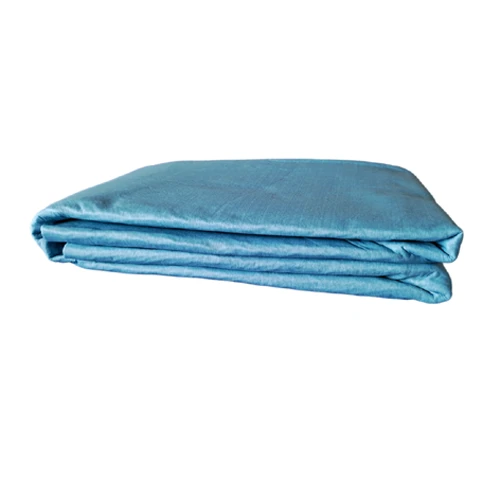
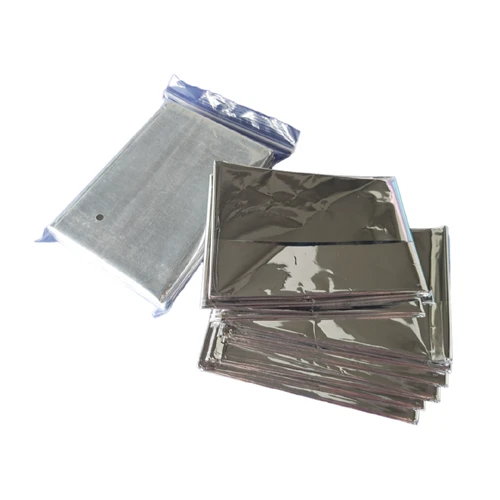
Once it's folded or rolled, place it in a small, sealed plastic bag. This will protect it from dust and moisture. You can then store the bag in a larger storage container or just keep it in a drawer. And remember, keep it away from sharp objects that could puncture the mylar.
Non - woven Fabric Blankets
Non - woven fabric blankets are more durable than mylar blankets, but they still need proper storage. These blankets are often used for their insulation properties.
After cleaning and drying, fold the non - woven fabric blanket in a way that it takes up minimal space. You can stack it with other blankets in a storage container, but make sure there's no pressure on it that could cause it to lose its shape.
If you're worried about pests, you can add a few mothballs or cedar chips to the storage container. Just make sure they don't come into direct contact with the blanket, as they could leave a smell or damage the fabric.
Transport Blankets
Transport blankets are usually thicker and more heavy - duty. They're designed to keep patients warm during transportation.
These blankets can be folded or rolled, depending on your preference. If you fold them, make sure to fold them evenly to prevent any stress on the fabric. Rolled transport blankets can be tied with a string to keep them in place.
Store transport blankets in a large, sturdy storage container. You can also hang them on a hook if you have a space for that. This will help them keep their shape and make them easy to access.
Regular Checks
Even if you've stored your emergency blankets properly, it's a good idea to check on them regularly. Every few months, take a look at your blankets to make sure they're still in good condition. Check for any signs of damage, like tears, holes, or mold.
If you find any issues, address them right away. For a small tear in a mylar blanket, you can use clear tape to patch it up. But if the damage is extensive, it might be time to replace the blanket.
Conclusion
Proper storage of emergency blankets is essential to ensure they're in good condition when you need them most. Whether it's a mylar emergency blanket, a non - woven fabric blanket, or a transport blanket, following these storage tips will help extend their lifespan and keep them effective.
If you're in the market for high - quality emergency blankets, we've got you covered. We offer a wide range of emergency blankets that are designed to meet your needs. Whether you're an individual looking for a personal emergency kit or a business in need of bulk supplies, we can help.
Don't hesitate to reach out if you have any questions about our products or if you're interested in a purchase. We're here to make sure you're well - prepared for any emergency.
References
- "Emergency Preparedness Guide", Federal Emergency Management Agency
- "Textile Storage Best Practices", National Textile Association