

How do cooling blankets work in different room temperatures?
Jan 12, 2026
Leave a message
As a supplier of Cooling Blankets, I've been frequently asked about how these innovative products perform under different room temperatures. This blog post aims to delve into the science behind cooling blankets and explain their functionality across various temperature settings.
Understanding the Basics of Cooling Blankets
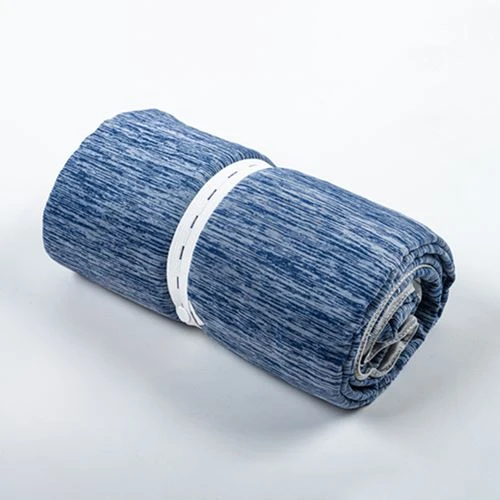
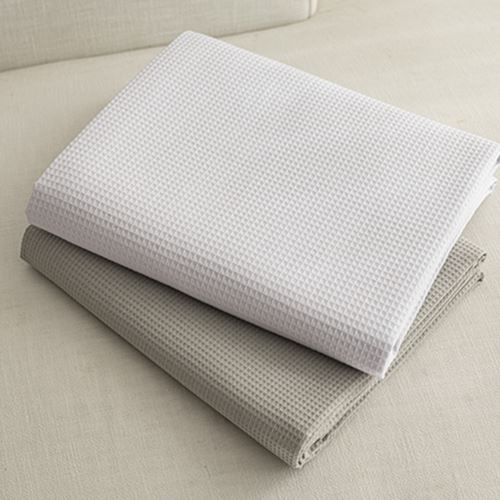
Before we discuss how cooling blankets work in different room temperatures, it's essential to understand what they are and how they function. A Cooling Blanket is designed to help regulate body temperature and keep you cool while you sleep or rest. Unlike traditional Cotton Blanket, which mainly provides warmth, cooling blankets use advanced technologies to dissipate heat and create a more comfortable sleeping environment.
There are several types of cooling blankets available on the market, each with its own unique cooling mechanism. Some cooling blankets are made from special fabrics that have high thermal conductivity, allowing them to absorb and transfer heat away from your body quickly. Others use phase - change materials (PCMs), which can absorb, store, and release heat at a specific temperature, helping to maintain a consistent temperature throughout the night.
Cooling Blankets in Low Room Temperatures
In low room temperatures, typically below 60°F (15.5°C), the primary function of a cooling blanket may seem counterintuitive. However, even in cooler environments, these blankets can still offer benefits.
For individuals who tend to sleep hot, a cooling blanket can prevent overheating under the covers. The high - conductivity fabrics in some cooling blankets can efficiently transfer excess body heat to the surrounding air, even when the air is relatively cool. This helps to maintain a balanced body temperature and prevents the discomfort that can come from sweating during sleep.
Phase - change material cooling blankets are also effective in low temperatures. PCMs are designed to activate at a specific temperature range. In cooler rooms, they can absorb the small amount of excess heat generated by the body and store it. When the body temperature drops slightly, the PCM can release the stored heat, providing a gentle and consistent level of warmth. This dynamic regulation of temperature ensures a more comfortable sleep experience.
Cooling Blankets in Moderate Room Temperatures
Moderate room temperatures, ranging from 60°F to 75°F (15.5°C to 23.9°C), are considered ideal for most people's sleep. In this temperature range, cooling blankets can truly shine.
Fabric - based cooling blankets work by enhancing the natural process of heat dissipation. The special fibers in these blankets have a large surface area, which increases the contact between the blanket and the body. This allows for more efficient heat transfer from the body to the blanket and then to the surrounding air. As a result, you can enjoy a cool and dry sleep without feeling too cold.
Phase - change material cooling blankets are also well - suited for moderate temperatures. The PCMs can absorb and release heat as needed to maintain a stable temperature around your body. For example, if you start to get too warm during the night, the PCM will absorb the excess heat. If you cool down, it will release the stored heat, keeping you in a comfortable temperature zone.
Cooling Blankets in High Room Temperatures
In high room temperatures, above 75°F (23.9°C), the cooling capabilities of these blankets are put to the test. This is where their advanced technologies become most valuable.
High - conductivity fabric cooling blankets are extremely effective in hot rooms. They can quickly draw heat away from your body, creating a cooling effect. Some of these fabrics are also breathable, allowing air to circulate through the blanket and further enhancing the cooling process. This helps to prevent the buildup of heat and moisture, which can lead to restless sleep.
Phase - change material cooling blankets are a game - changer in hot environments. When the room temperature is high, the PCMs can absorb a significant amount of heat from your body. They can store this heat and keep your body temperature down. As the PCM reaches its maximum heat - storage capacity, it can slowly release the heat over time, ensuring a continuous cooling effect throughout the night.
Factors Affecting Cooling Blanket Performance
While cooling blankets are designed to work well in different room temperatures, several factors can affect their performance.
The quality of the materials used in the blanket is crucial. High - quality fabrics and PCMs will have better heat - transfer and heat - storage capabilities. Cheaper alternatives may not be as effective in regulating temperature.
The thickness of the blanket also plays a role. Thicker blankets may provide more insulation, which can be beneficial in cooler temperatures but may reduce the cooling effect in hot rooms. It's important to choose a blanket with an appropriate thickness based on your typical room temperature.
Personal factors, such as body metabolism and sleep habits, can also impact how well a cooling blanket works for you. People with a faster metabolism tend to generate more body heat, so they may require a more powerful cooling blanket. Additionally, if you tend to move around a lot during sleep, a blanket that can quickly adapt to temperature changes is more suitable.
Why Choose Our Cooling Blankets
As a supplier of cooling blankets, we take pride in offering high - quality products that are designed to meet the diverse needs of our customers. Our cooling blankets are made from the latest and most advanced materials, ensuring optimal performance in all room temperatures.
We understand that everyone's sleep preferences are different. That's why we offer a variety of cooling blankets, including those with different fabrics, PCM technologies, and thicknesses. Whether you sleep in a cold bedroom, a moderately warm room, or a hot and humid environment, we have a cooling blanket that's right for you.
Our commitment to quality and customer satisfaction is unwavering. We conduct rigorous testing on all our products to ensure that they meet the highest standards of performance and durability. When you choose our cooling blankets, you can be confident that you're investing in a product that will provide you with a comfortable and cool sleep experience.
Contact Us for Procurement
If you're interested in purchasing our cooling blankets for personal use or for resale, we'd love to hear from you. Our team of experts is ready to assist you with any questions you may have about our products, including their features, performance, and pricing.
We offer competitive pricing and flexible procurement options to meet your specific needs. Whether you're a small retailer looking to add our cooling blankets to your product line or an individual looking for a high - quality cooling solution for your home, we can provide you with the support you need.
Don't hesitate to reach out to us to start the procurement process. We look forward to working with you and helping you experience the benefits of our innovative cooling blankets.
References
- "Thermal Comfort in Buildings" by ASHRAE Handbook of Fundamentals.
- "Phase - Change Materials for Thermal Energy Storage" by J. F. Abraham et al.
- "Textile Materials and Their Properties" by R. H. Page.