

Do solid polar fleece blankets retain heat well?
Dec 15, 2025
Leave a message
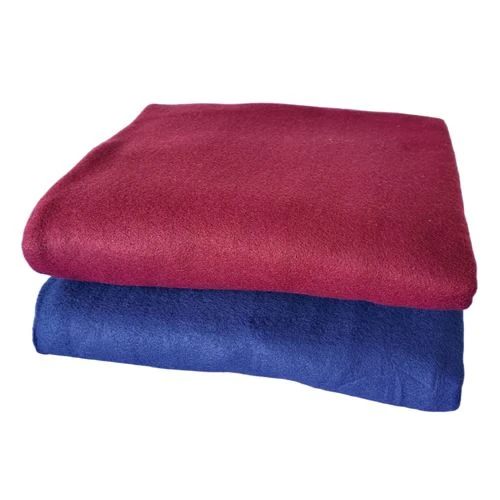
Solid polar fleece blankets have become a staple in many households, offering comfort and warmth during the colder months. As a supplier of Solid Polar Fleece Blanket, I often get asked about the heat - retaining properties of these blankets. In this blog post, I'll delve into the science behind solid polar fleece and explain why it's an excellent choice for keeping warm.
The Science of Heat Retention
To understand whether solid polar fleece blankets retain heat well, we first need to grasp the basic principles of heat transfer. There are three main ways heat can move: conduction, convection, and radiation.
Conduction is the transfer of heat through direct contact. When you touch a cold object, heat from your body flows to the object until both reach the same temperature. Convection involves the movement of heat through a fluid, such as air or water. Warm air rises, and cold air sinks, creating a cycle of heat transfer. Radiation is the emission of heat in the form of electromagnetic waves, like the heat we feel from the sun.
A good heat - retaining material should minimize all three types of heat transfer. It should prevent heat from leaving the body through conduction, stop the movement of warm air away from the body through convection, and reduce the radiation of heat into the environment.
What is Solid Polar Fleece?
Solid polar fleece is a synthetic fabric made from polyester fibers. It was originally developed in the 1970s as a lightweight, warm alternative to wool. The manufacturing process involves extruding polyester into fine fibers, which are then spun into yarn and woven or knitted into fabric.
One of the key features of solid polar fleece is its structure. The fibers are designed to trap air pockets within the fabric. These air pockets act as insulation, slowing down the transfer of heat. Since air is a poor conductor of heat, the more air a material can trap, the better it is at retaining heat.
How Solid Polar Fleece Blankets Retain Heat
Minimizing Conduction
When you wrap yourself in a solid polar fleece blanket, the polyester fibers come into contact with your body. Polyester is a poor conductor of heat compared to materials like metal or glass. This means that it doesn't readily transfer heat away from your body through direct contact. The air pockets within the fleece also contribute to reducing conduction. As the air is trapped between the fibers, it acts as an additional barrier to heat flow.
Preventing Convection
The structure of solid polar fleece helps to prevent convection. The tightly - packed fibers create a dense fabric that restricts the movement of air. When you're under the blanket, the warm air that your body emits gets trapped within the fabric. Instead of rising and being replaced by cold air, the warm air stays close to your body, keeping you warm. This is similar to how a down jacket works, where the down feathers trap air to provide insulation.
Reducing Radiation
While solid polar fleece may not be as effective at reducing radiation as some specialized materials, it still plays a role. The fabric absorbs and reflects some of the infrared radiation (heat) emitted by the body. The dark colors of some solid polar fleece blankets can also help in absorbing and re - radiating heat back towards the body to a certain extent.
Factors Affecting Heat Retention
Thickness
Thicker solid polar fleece blankets generally retain heat better than thinner ones. A thicker blanket has more fibers and air pockets, which means more insulation. However, it's important to note that a very thick blanket may also be heavier and less comfortable to use.
Density of Fibers
The density of the polyester fibers in the fleece also affects heat retention. A higher density of fibers means more air can be trapped, leading to better insulation. Manufacturers can control the density during the production process to create blankets with different levels of warmth.
Surface Finish
The surface finish of the solid polar fleece can impact heat retention. Some blankets have a brushed surface, which creates a softer feel and can also increase the number of air pockets on the surface. This can enhance the blanket's ability to trap heat.
Comparing with Other Blanket Materials
Wool Blankets
Wool is a natural fiber that is well - known for its heat - retaining properties. It can absorb moisture and still keep you warm, and it has a natural crimp in the fibers that helps to trap air. However, wool can be itchy for some people, and it may require special care when washing. Solid polar fleece, on the other hand, is hypoallergenic, easy to care for, and often more affordable. In terms of heat retention, while wool may have a slight edge in some extreme conditions, solid polar fleece performs very well in most everyday situations.
Cotton Blankets
Cotton is a popular material for blankets, but it is not as good at retaining heat as solid polar fleece. Cotton fibers are more porous and do not trap air as effectively. Cotton blankets are also more likely to absorb moisture, which can make you feel cold if the moisture is not quickly evaporated. Solid polar fleece is more moisture - wicking, which helps to keep you dry and warm.
Applications of Solid Polar Fleece Blankets
Solid polar fleece blankets are versatile and can be used in various settings. They are great for snuggling on the couch while watching TV, for use in the bedroom at night, or even for outdoor activities like camping. Their lightweight and packable nature make them ideal for travel.
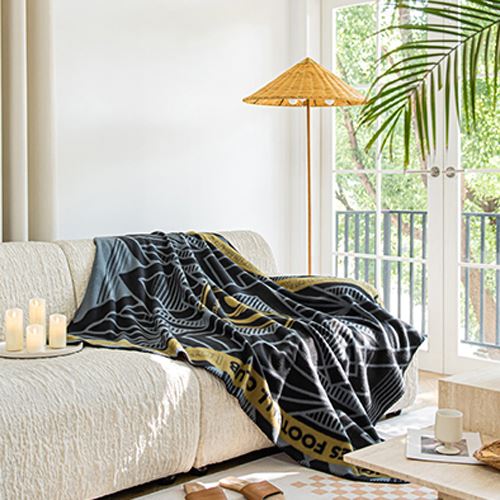
We also offer Printed Polar Fleece Blanket, which not only provide the same heat - retaining benefits but also come in a variety of attractive designs. Whether you're looking for a plain, solid - colored blanket for a minimalist look or a printed one to add some personality to your space, we have options to suit your needs.
Conclusion
In conclusion, solid polar fleece blankets are excellent at retaining heat. Their unique structure of polyester fibers that trap air pockets effectively minimizes heat transfer through conduction, convection, and radiation. They offer a great balance of warmth, comfort, and affordability, making them a popular choice for many consumers.
If you're in the market for high - quality solid polar fleece blankets or printed polar fleece blankets, I encourage you to get in touch with us. We can provide you with samples, discuss your specific requirements, and offer competitive pricing. Whether you're a retailer looking to stock our products or an individual looking for a cozy blanket for yourself, we're here to assist you. Let's start a conversation about how we can meet your needs.
References
- "Textiles: Science and Technology" by J. E. Booth.
- "Thermal Properties of Textiles" by R. H. Horrocks.
- Various industry reports on synthetic fabric insulation.