

Do solid polar fleece blankets hold their shape well?
Oct 31, 2025
Leave a message
As a supplier of Solid Polar Fleece Blankets, I've received numerous inquiries about whether these blankets can hold their shape well. In this blog, I'll delve into the factors that affect the shape - retention of solid polar fleece blankets based on scientific knowledge and practical experience.
The Structure and Composition of Solid Polar Fleece Blankets
Solid polar fleece is a synthetic fabric typically made from polyester. Polyester is a polymer, and its long - chain molecular structure gives it several inherent properties that are relevant to shape - retention. The manufacturing process of polar fleece involves extruding polyester fibers, which are then spun into yarns and woven or knitted into fabric.
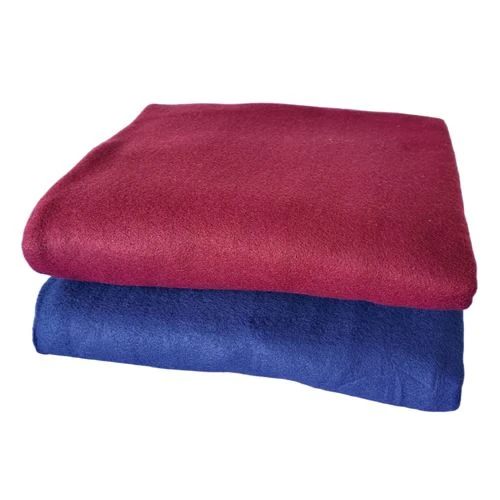
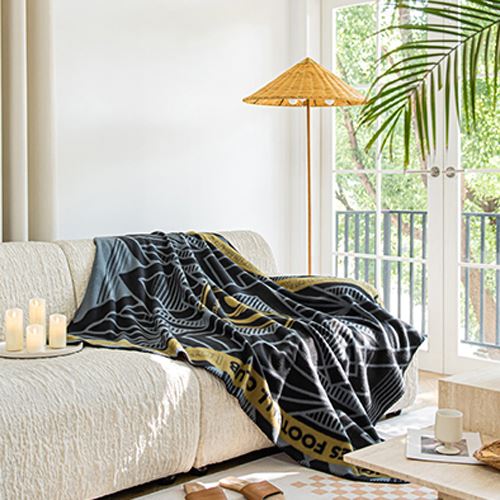
The knitted or woven structure of the blanket plays a crucial role. Knitted polar fleece has a more stretchy and elastic nature compared to woven ones. The loops in the knitted fabric allow it to expand and contract. However, this elasticity can also be a double - edged sword. While it gives the blanket a certain level of flexibility, it may also make it more prone to losing its shape if not properly cared for. Woven polar fleece, on the other hand, has a more rigid structure. The interlacing of the warp and weft yarns creates a fabric that is generally more resistant to stretching and distortion.
Factors Affecting Shape Retention
1. Quality of Polyester
The quality of the polyester used in the production of solid polar fleece blankets is of utmost importance. High - quality polyester has a more uniform molecular structure, which means that the fibers are stronger and more resistant to deformation. Cheaper polyester may have impurities or a less regular molecular arrangement, making the blanket more likely to stretch out of shape over time.
For example, if a low - quality polyester is used, the fibers may break or weaken under normal use, causing the blanket to sag or develop holes. In contrast, high - quality polyester can withstand repeated use and washing without significant loss of shape.
2. Thickness of the Blanket
Thicker solid polar fleece blankets generally hold their shape better than thinner ones. A thicker blanket has more fibers per unit area, which provides greater structural support. When a force is applied to the blanket, the additional fibers distribute the stress more evenly, reducing the likelihood of deformation.
For instance, a thin polar fleece blanket may easily stretch when pulled at the edges, while a thicker one will be more resistant to such stretching. However, it's important to note that very thick blankets may also be heavier, which could potentially cause them to sag over time if not properly supported.
3. Frequency and Method of Washing
Washing is an inevitable part of maintaining a blanket, but the frequency and method of washing can significantly affect its shape. Frequent washing can cause the fibers in the polar fleece to loosen and stretch. Aggressive washing methods, such as using high - speed agitation in a washing machine or using harsh detergents, can also damage the fibers and lead to shape loss.
It is recommended to wash solid polar fleece blankets on a gentle cycle with mild detergent. Avoid using hot water, as high temperatures can cause the polyester fibers to shrink or become misshapen. After washing, it's best to air - dry the blanket rather than using a dryer, as the high heat in a dryer can also damage the fibers.
4. Usage Patterns
How the blanket is used also impacts its shape retention. If the blanket is constantly being pulled, tugged, or folded in the same way, it will be more likely to develop permanent creases or stretch in specific areas. For example, if a blanket is always folded in half at the same place for storage, a permanent crease may form.
On the other hand, if the blanket is used gently and is given a chance to rest in a flat position between uses, it will be more likely to maintain its original shape.
Advantages of Solid Polar Fleece Blankets in Shape Retention Compared to Other Types
When compared to other types of blankets, such as printed polar fleece blankets, solid polar fleece blankets have some advantages in terms of shape retention. The printing process on Printed Polar Fleece Blanket can sometimes weaken the fabric. The inks and dyes used in printing may penetrate the fibers and make them more brittle or less elastic.
In contrast, Solid Polar Fleece Blanket doesn't have the additional stress from the printing process. The fabric can focus solely on providing warmth and comfort while maintaining its shape. Also, the lack of printed patterns means that there are no areas where the fabric may be more prone to wear and tear due to the printing process.
How to Ensure Your Solid Polar Fleece Blanket Holds Its Shape
1. Proper Storage
When not in use, store the solid polar fleece blanket flat or rolled up. Avoid folding it in the same place for long periods. If you need to fold it, change the folding pattern regularly to prevent permanent creases.
2. Gentle Handling
Be gentle when using the blanket. Avoid pulling or stretching it forcefully. If you need to move the blanket, lift it by the edges rather than grabbing it in the middle and pulling.
3. Follow Care Instructions
As mentioned earlier, follow the recommended washing and drying instructions. Use a gentle cycle, mild detergent, and air - dry the blanket whenever possible.
Conclusion
In general, solid polar fleece blankets can hold their shape well if they are made from high - quality materials, are of an appropriate thickness, and are properly cared for. While factors such as washing, usage patterns, and storage can affect their shape retention, with the right approach, these blankets can maintain their original form for a long time.
If you're interested in purchasing high - quality solid polar fleece blankets that are designed to hold their shape, feel free to reach out to discuss your requirements. We are committed to providing products that meet your needs and expectations.
References
- "Polyester Fibers: Structure, Properties, and Applications" - A scientific publication on the properties of polyester fibers and their use in textiles.
- "Textile Care and Maintenance Guide" - A comprehensive guide on how to care for different types of textile products, including polar fleece blankets.
- "The Science of Knitted and Woven Fabrics" - A study on the structural differences between knitted and woven fabrics and their impact on shape retention.