

Do emergency blankets work in mountainous emergencies?
Nov 10, 2025
Leave a message
Hey there! As a supplier of emergency blankets, I've had my fair share of questions about whether these blankets actually work in mountainous emergencies. Well, I'm here to break it down for you and give you the lowdown on how effective they can be.
First off, let's talk about what an emergency blanket is. There are different types out there, like the Non-woven Fabric Blanket, Transport Blanket, and Mylar Emergency Blanket. Each type has its own features and benefits, but they all serve the same basic purpose: to help keep a person warm in an emergency situation.
In mountainous areas, the weather can change in an instant. One minute it's sunny and warm, and the next, you're dealing with freezing temperatures, high winds, and even snow. Hypothermia is a real risk in these conditions, and that's where emergency blankets come in.
Let's start with the science behind how these blankets work. Our bodies constantly lose heat, and in cold environments, this heat loss can be accelerated. Emergency blankets are designed to reflect body heat back to the person using them. For example, Mylar emergency blankets are made of a shiny, metallic material that acts as a barrier against heat loss. They can reflect up to 90% of the body's radiant heat back towards the body. This means that even in extremely cold conditions, the blanket can help slow down the rate at which a person loses heat, giving them a better chance of staying warm until help arrives.
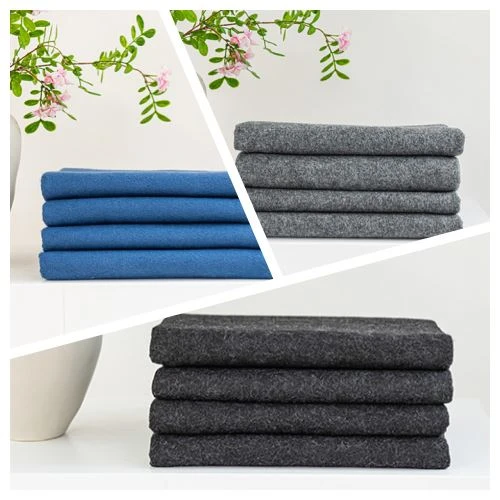
Non-woven fabric blankets, on the other hand, work a bit differently. They are made of a soft, insulating material that traps air. Air is a poor conductor of heat, so by trapping it, the blanket helps to keep the body warm. These blankets are also more durable and less likely to tear compared to Mylar blankets, which can be a plus in rugged mountainous terrain.
Transport blankets are often used to move injured or hypothermic people. They are designed to be lightweight and easy to carry, while still providing a good level of insulation. They can be wrapped around a person to keep them warm during transport to a medical facility.
Now, let's talk about some real-life scenarios where emergency blankets have proven to be effective in mountainous emergencies. There have been numerous cases where hikers, climbers, and skiers have found themselves in unexpected situations due to sudden weather changes or injuries. In many of these cases, having an emergency blanket on hand has made a huge difference.
For example, a group of hikers was caught in a snowstorm on a mountain trail. They quickly huddled together and wrapped themselves in Mylar emergency blankets. By reflecting their body heat back to them, the blankets helped them stay warm until a search and rescue team found them. Without the blankets, they would have been at a much higher risk of developing hypothermia.
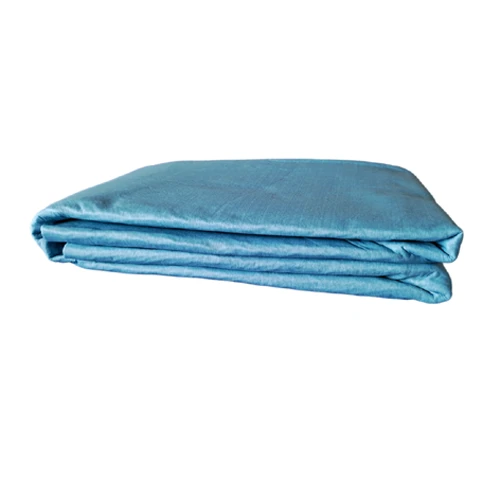
Another case involved a skier who fell and injured their leg on a remote mountain slope. While waiting for help, the skier used a transport blanket to keep warm. The blanket not only provided insulation but also helped to protect the injured leg from the cold. When the rescue team arrived, the skier was in relatively good condition thanks to the use of the emergency blanket.
But it's important to note that emergency blankets are not a magic solution. They have their limitations. For instance, they are not designed to be a long-term solution in extremely cold conditions. If a person is wet, the effectiveness of the blanket can be reduced because wetness can conduct heat away from the body more quickly. In these cases, it's important to try to get the person dry as soon as possible.
Also, emergency blankets are not a substitute for proper winter clothing and gear. When heading into the mountains, it's always a good idea to wear layers, have a good quality jacket, hat, and gloves, and carry other essential items like a first aid kit and a map.
So, do emergency blankets work in mountainous emergencies? The answer is a resounding yes! They can be a lifesaver in unexpected situations, helping to keep people warm and reduce the risk of hypothermia. However, they are just one part of a comprehensive emergency preparedness plan.
If you're someone who loves the mountains, whether you're a hiker, climber, or skier, I highly recommend having an emergency blanket in your gear. And if you're in the market for high-quality emergency blankets, I'm here to help. As a supplier, I can offer you a wide range of options to suit your needs. Whether you need a few blankets for personal use or a large quantity for an organization or business, I've got you covered.
If you're interested in learning more about our emergency blankets or would like to discuss a potential purchase, feel free to reach out. I'm always happy to answer any questions you might have and help you find the right solution for your situation.
In conclusion, emergency blankets are a valuable tool in mountainous emergencies. They work by reflecting or trapping body heat, and they have been proven to be effective in real-life situations. So, don't leave home without one!
References
- "Cold Weather First Aid and Hypothermia Prevention." American Red Cross.
- "Survival in the Mountains: The Importance of Emergency Equipment." National Outdoor Leadership School.