

Do cotton blankets static cling?
Dec 22, 2025
Leave a message
Do cotton blankets static cling? This is a question that often pops up in the minds of consumers when they're considering purchasing bedding. As a supplier of high - quality Cotton Blanket, I'm here to delve into this topic and provide you with a comprehensive answer.
Understanding Static Cling
Static cling is mainly caused by the build - up of static electricity. Static electricity occurs when two different materials come into contact and then separate. During this process, electrons can transfer from one material to the other. One material ends up with an excess of electrons (becoming negatively charged), and the other has a deficiency of electrons (becoming positively charged). When these charged materials are near each other, they can attract or repel, leading to the phenomenon known as static cling.
This phenomenon is commonly seen in our daily lives. For example, when you take off a wool sweater quickly, it may make crackling sounds and cause your hair to stand up. Another common scenario is when clothes in the dryer stick together. The friction between different fabrics during the drying process causes electrons to transfer, resulting in static cling.
How Cotton React to Static Electricity
Cotton is a natural fiber, and its structure and properties play a significant role in its relationship with static electricity. Unlike synthetic fibers such as polyester or nylon, cotton has a high moisture - absorbing capacity. Water molecules can conduct electricity, so when cotton absorbs moisture from the air or body, it helps to dissipate static charges.
In a normal environment with average humidity, cotton blankets are less likely to generate static electricity. The moisture in the cotton acts as a conductor, allowing the charges to flow away rather than building up on the surface of the blanket. However, in extremely dry conditions, such as in winter with a lack of humidity or in air - conditioned rooms for extended periods, the moisture - retaining ability of cotton may be limited. In these cases, there is still a small possibility that cotton blankets may experience static cling, although it is usually much less severe than that of synthetic blankets.
Factors Affecting Static Cling in Cotton Blankets
Environmental Humidity
As mentioned earlier, humidity is a crucial factor. In a high - humidity environment, there is more water vapor in the air. Cotton can absorb this moisture, and the water helps to neutralize static charges. For instance, in a humid tropical climate, you'll rarely find static cling in cotton blankets. On the other hand, in arid regions or during the dry winter months when the indoor humidity can drop significantly, there's a potential for static build - up on cotton blankets.
Fabrics in Contact
The other fabrics that the cotton blanket comes into contact with also matter. If a cotton blanket is used with synthetic sheets or pajamas, the friction between the cotton and the synthetic materials can cause electron transfer. Synthetic fibers are more prone to static build - up, and they can "charge" the cotton blanket through contact. For example, if you sleep on a polyester - blend sheet and cover yourself with a cotton blanket, the chances of static cling increase compared to using all - cotton bedding.
Washing and Drying Methods
The way you wash and dry your cotton blanket can influence static cling. Using fabric softeners during the wash can reduce static. Fabric softeners coat the fibers of the blanket, making them smoother and less likely to generate friction. When it comes to drying, air - drying is the best method to avoid static. Tumble - drying in a dryer, especially at high temperatures, can increase friction between the fibers and lead to static build - up. If you must use a dryer, adding a dryer sheet can help reduce static.
Benefits of Using Cotton Blankets Despite Potential Static Cling
Even though there might be a slight chance of static cling in certain conditions, cotton blankets offer numerous benefits that make them a popular choice.
Comfort
Cotton is a soft and breathable fabric. It allows air to circulate freely through the blanket, which helps to regulate body temperature. Whether you're using it in summer or winter, cotton blankets can keep you comfortable. In summer, it can provide a light covering without making you feel too warm, similar to the functionality of a Cooling Blanket. In winter, it can still offer warmth while allowing your skin to breathe.
Hypoallergenic
For people with allergies or sensitive skin, cotton is an ideal choice. It is a natural fiber that does not contain the chemicals or synthetic materials that can cause allergic reactions. This makes cotton blankets suitable for a wide range of people, including infants and the elderly.
Durability
Cotton blankets are known for their durability. With proper care, they can last for many years. The strong fibers of cotton can withstand regular use and washing, maintaining their quality and appearance over time.
Tips to Reduce Static Cling in Cotton Blankets
If you're concerned about static cling in your cotton blankets, here are some practical tips:
Increase Humidity
Use a humidifier in your bedroom, especially during dry seasons. By increasing the humidity in the air, you can help the cotton blanket to retain more moisture, which in turn reduces static build - up.
Choose the Right Bedding
Opt for all - cotton bedding sets. This way, you can minimize the friction between different types of fabrics and reduce the occurrence of static cling.
Use Anti - static Products
As mentioned before, fabric softeners and dryer sheets are effective in reducing static. You can also invest in anti - static sprays. Simply spray a small amount on the blanket, and it will help to neutralize the static charges.
As a Cotton Blanket Supplier
As a supplier, I understand the importance of providing products that meet the needs and expectations of our customers. Our cotton blankets are made from high - quality cotton, carefully selected for its softness, breathability, and durability. We are aware of the potential static cling issue and take measures to ensure that our blankets are of the best quality possible.
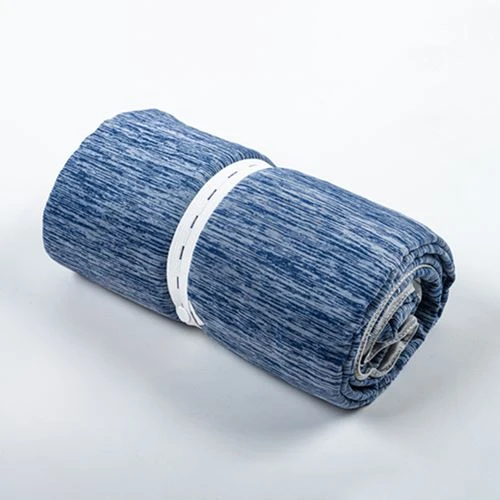
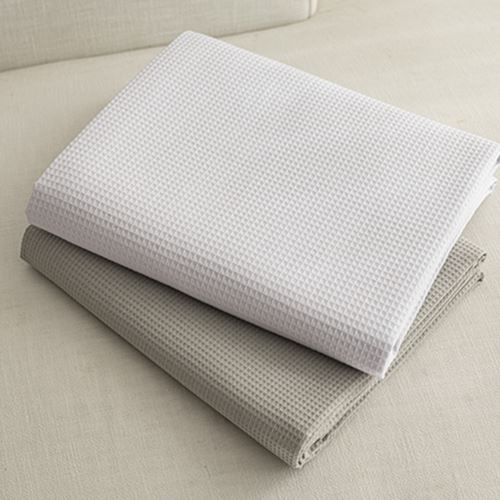
Whether you're looking for a light cotton blanket for summer or a thicker one for winter, we have a wide range of options to choose from. Our products are designed not only to provide comfort but also to minimize the occurrence of static cling. We believe that by using high - quality materials and following proper manufacturing processes, we can offer customers the best cotton blankets on the market.
If you're interested in our Cotton Blanket, we welcome you to contact us for more information. We are more than happy to discuss your requirements and provide you with the best solutions. Whether you're a retailer looking to stock our products or an end - consumer in search of a high - quality cotton blanket, we're here to serve you. Feel free to reach out to us to start a procurement discussion.
References
- Blok, A., & Gerkema, E. (2018). "Properties of Natural Fibers and Their Use in Textiles," CRC Press.
- Commonwealth Scientific and Industrial Research Organisation (CSIRO). (2019). "Static Electricity in Textiles: A Scientific Review," CSIRO Publishing.
- Tortora, P. G., & Merkel, J. B. (2016). "Understanding Textiles," Pearson.