

Do bubble flannel blankets shrink after washing?
Dec 16, 2025
Leave a message
Bubble flannel blankets have gained significant popularity in recent years due to their softness, warmth, and unique texture. As a supplier of high - quality bubble flannel blankets, I often receive inquiries from customers regarding whether these blankets shrink after washing. In this blog, I will delve into the factors that influence shrinkage and provide practical tips on how to maintain the size and quality of your bubble flannel blankets.
Understanding the Composition of Bubble Flannel Blankets
Bubble flannel blankets are typically made from natural fibers such as cotton or a blend of cotton and synthetic fibers. Cotton is a popular choice because it is soft, breathable, and absorbent. However, one of the drawbacks of cotton is that it has a tendency to shrink when exposed to heat and moisture. Synthetic fibers, on the other hand, are more resistant to shrinkage and can help to reduce the overall shrinkage rate of the blanket.
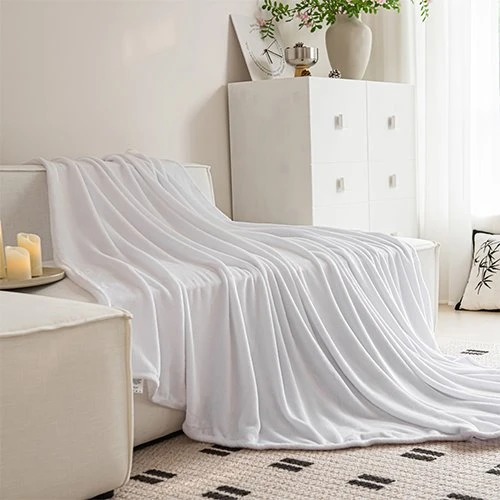
The manufacturing process of bubble flannel blankets also plays a crucial role in determining their shrinkage properties. During the production, the fabric undergoes a series of treatments, including dyeing, printing, and finishing. These processes can affect the structure and elasticity of the fibers, making them more or less prone to shrinkage. For example, Printed Flannel Blanket may have a different shrinkage rate compared to plain - colored ones due to the additional printing process.
Factors Affecting Shrinkage
- Fiber Content: As mentioned earlier, the type of fibers used in the blanket significantly impacts shrinkage. Pure cotton blankets are more likely to shrink than those with a high percentage of synthetic fibers. For instance, a blanket made of 100% cotton may shrink up to 5 - 10% after the first wash, while a cotton - polyester blend may shrink only 1 - 3%.
- Washing Temperature: High - temperature washing is one of the main culprits of shrinkage. Hot water causes the fibers to expand and then contract as they dry, leading to a reduction in size. It is recommended to wash bubble flannel blankets in cold or lukewarm water to minimize shrinkage.
- Drying Method: The way you dry your blanket also affects shrinkage. Tumble - drying on high heat can cause the fibers to shrink and become distorted. Air - drying or using a low - heat setting on the dryer is a better option to preserve the size and shape of the blanket.
- Washing Frequency: Frequent washing can gradually cause the fibers to break down and shrink over time. Try to limit the number of times you wash your bubble flannel blanket, and only wash it when necessary.
Testing Shrinkage in Bubble Flannel Blankets
To understand the shrinkage characteristics of our bubble flannel blankets, we conduct regular tests in our quality control laboratory. We wash samples of different blanket types using various washing and drying methods and measure the dimensions before and after each cycle.
Our tests have shown that Dyed Flannel Blanket may experience slightly more shrinkage compared to undyed ones. This is because the dyeing process can weaken the fibers to some extent. However, by following proper washing and drying instructions, we have been able to keep the shrinkage rate within an acceptable range.
Tips to Prevent Shrinkage
- Read the Care Label: Always check the care label on your bubble flannel blanket for specific washing and drying instructions. The manufacturer usually provides detailed guidelines to help you maintain the quality of the blanket.
- Use a Gentle Detergent: Harsh detergents can damage the fibers and increase the risk of shrinkage. Choose a mild, gentle detergent that is suitable for delicate fabrics.
- Wash in Cold Water: As previously stated, cold or lukewarm water is the best choice for washing bubble flannel blankets. This helps to keep the fibers in their original state and reduces the likelihood of shrinkage.
- Avoid Over - agitation: Excessive agitation during washing can cause the fibers to tangle and shrink. Select a gentle cycle on your washing machine to minimize agitation.
- Air - Dry or Use Low - Heat Drying: If possible, air - dry your blanket by laying it flat or hanging it up. If you need to use a dryer, set it to a low - heat or delicate setting.
Special Considerations for Different Types of Bubble Flannel Blankets
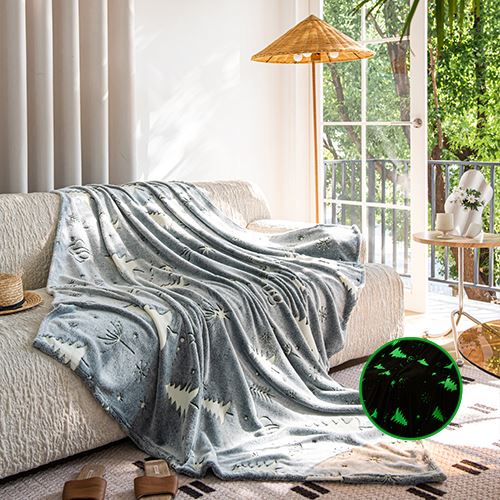
- Glowing Blanket: Glowing Blanket may have special care requirements due to the glowing elements. It is important to follow the manufacturer's instructions carefully to ensure that the glowing effect is not affected by washing and drying.
- Thick vs. Thin Blankets: Thicker bubble flannel blankets may be more prone to shrinkage because they have more fibers that can contract. However, they also tend to be more durable and can withstand more wear and tear.
Maintaining the Quality of Your Bubble Flannel Blanket
In addition to preventing shrinkage, there are other ways to keep your bubble flannel blanket in good condition. Regularly fluffing the blanket can help to restore its softness and loft. You can also use a fabric softener during the washing process to make the blanket even softer.
If you notice any stains on your blanket, spot - clean them immediately using a mild detergent and a soft cloth. Avoid rubbing the stain vigorously, as this can damage the fibers.
Conclusion
In conclusion, bubble flannel blankets can shrink after washing, but the degree of shrinkage depends on several factors such as fiber content, washing temperature, and drying method. As a supplier, we take great care in selecting high - quality materials and using advanced manufacturing techniques to minimize shrinkage. By following the tips provided in this blog, you can ensure that your bubble flannel blanket retains its size, shape, and softness for a long time.
If you are interested in purchasing high - quality bubble flannel blankets, we invite you to contact us for more information and to discuss your specific requirements. Our team of experts is always ready to assist you in finding the perfect blanket for your needs.
References
- Textile Institute. "Principles of Textile Dyeing and Finishing."
- American Association of Textile Chemists and Colorists. "Handbook of Textile Testing and Quality Control."