

Do acrylic blankets fade in the sun?
Jan 14, 2026
Leave a message
As a supplier of Acrylic Blankets, I often encounter questions from customers regarding the durability and colorfastness of our products, especially when it comes to exposure to sunlight. One of the most frequently asked questions is, "Do acrylic blankets fade in the sun?" In this blog post, I'll delve into the science behind acrylic fibers, how sunlight affects them, and what you can do to maintain the vibrant colors of your acrylic blankets.
Understanding Acrylic Fibers
Acrylic is a synthetic fiber that was first developed in the 1940s as an alternative to wool. It is made from a polymer called polyacrylonitrile, which is derived from petroleum. Acrylic fibers are known for their softness, warmth, and lightweight nature, making them a popular choice for blankets, sweaters, and other cold-weather garments.
One of the key advantages of acrylic is its resistance to moisture, mildew, and moths. Unlike natural fibers such as wool, acrylic does not absorb water easily, which means it dries quickly and is less likely to develop a musty odor. Additionally, acrylic is not a food source for moths, so it is less likely to be damaged by these pests.
How Sunlight Affects Acrylic Blankets
Sunlight contains ultraviolet (UV) rays, which can cause damage to many types of materials, including fabrics. When acrylic blankets are exposed to sunlight for extended periods, the UV rays can break down the chemical bonds in the fibers, causing them to weaken and fade. This process is known as photodegradation.
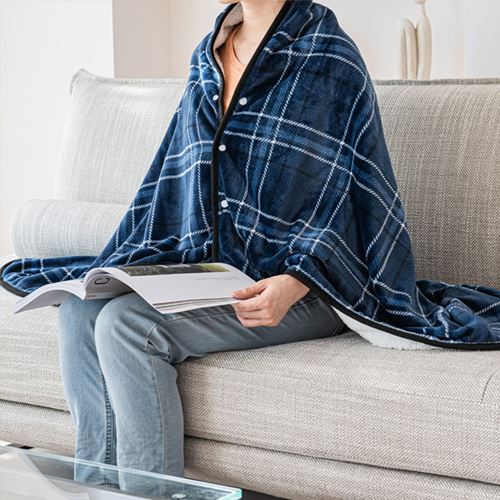
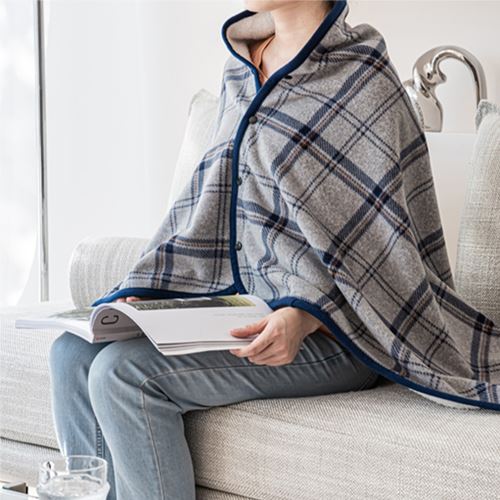
The degree to which an acrylic blanket fades in the sun depends on several factors, including the quality of the acrylic fibers, the intensity and duration of sunlight exposure, and the color of the blanket. Darker colors tend to absorb more UV rays than lighter colors, which means they are more likely to fade. Additionally, blankets that are made from lower-quality acrylic fibers may be more susceptible to fading than those made from higher-quality fibers.
Factors Affecting Fading
Quality of Acrylic Fibers
Higher-quality acrylic fibers are typically more resistant to fading than lower-quality fibers. This is because they are made from a more stable polymer and are often treated with UV inhibitors during the manufacturing process. UV inhibitors are chemicals that absorb or reflect UV rays, preventing them from reaching the fibers and causing damage.
When choosing an acrylic blanket, it is important to look for products that are made from high-quality acrylic fibers. You can usually tell the quality of the fibers by looking at the label or asking the manufacturer. A reputable supplier will be able to provide you with information about the quality of the fibers used in their blankets.
Intensity and Duration of Sunlight Exposure
The intensity and duration of sunlight exposure are also important factors in determining how much an acrylic blanket will fade. Blankets that are exposed to direct sunlight for long periods of time are more likely to fade than those that are only exposed to indirect sunlight or for shorter periods.
If you plan to use your acrylic blanket outdoors, it is a good idea to choose a location that is shaded or to use a UV-protective cover. Additionally, you should avoid leaving your blanket in direct sunlight for extended periods, especially during the peak hours of sunlight (usually between 10 a.m. and 4 p.m.).
Color of the Blanket
As mentioned earlier, darker colors tend to absorb more UV rays than lighter colors, which means they are more likely to fade. If you are concerned about fading, you may want to choose a lighter-colored acrylic blanket. However, it is important to note that even lighter colors can fade over time if they are exposed to sunlight for extended periods.
Preventing Fading
While it is impossible to completely prevent an acrylic blanket from fading in the sun, there are several steps you can take to minimize the damage.
Limit Sunlight Exposure
The most effective way to prevent fading is to limit the amount of sunlight your acrylic blanket is exposed to. If you use your blanket outdoors, try to keep it in a shaded area or use a UV-protective cover. When you are not using your blanket, store it in a cool, dark place to prevent it from being exposed to sunlight.
Use a UV-Protective Spray
There are several UV-protective sprays available on the market that can help to protect your acrylic blanket from fading. These sprays work by creating a barrier on the surface of the fabric that reflects or absorbs UV rays. To use a UV-protective spray, simply follow the instructions on the label.
Wash Your Blanket Properly
Proper washing and care can also help to prevent fading. When washing your acrylic blanket, use a mild detergent and cold water. Avoid using bleach or fabric softeners, as these can damage the fibers and cause them to fade. Additionally, you should avoid drying your blanket in direct sunlight, as this can also cause fading. Instead, dry your blanket on a low heat setting in the dryer or hang it to dry in a shaded area.
Our Acrylic Blanket Offerings
At our company, we offer a wide range of Acrylic Blanket that are made from high-quality acrylic fibers. Our blankets are available in a variety of colors and styles, so you can find the perfect one to suit your needs.
In addition to our acrylic blankets, we also offer Polar Fleece and Sherpa Shawl Blanket and Flannel and Sherpa Shawl Blanket, which are also popular choices for customers. These blankets are made from soft, warm materials that are perfect for snuggling up on the couch or taking on a picnic.
Contact Us for Procurement
If you are interested in purchasing our acrylic blankets or any of our other products, we would be happy to hear from you. We offer competitive prices, high-quality products, and excellent customer service. Whether you are a retailer looking to stock our products or an individual looking for a cozy blanket for yourself, we can help.
To discuss your procurement needs, please reach out to us. We look forward to the opportunity to work with you and provide you with the perfect blankets for your needs.
References
- "Acrylic Fibers." Encyclopedia Britannica.
- "UV Radiation and Textiles." Textile Institute.
- "How to Care for Acrylic Blankets." The Spruce.