

Can an acrylic blanket be used in a hospital?
Jan 07, 2026
Leave a message
Hey there! As a supplier of acrylic blankets, I often get asked if these cozy blankets can be used in a hospital setting. It's a great question, and today, I'm gonna dive deep into this topic to give you all the info you need.
First off, let's talk about what acrylic blankets are. Acrylic blankets are made from synthetic fibers that mimic the look and feel of wool. They're known for being soft, warm, and lightweight. Plus, they're usually more affordable than natural fiber blankets, which is a big plus for many people.
One of the main advantages of using acrylic blankets in a hospital is their durability. Hospitals are high - traffic areas where blankets are used and washed frequently. Acrylic fibers are tough and can withstand multiple washes without losing their shape or color. This means that the blankets will last longer, saving the hospital money in the long run.
Another benefit is their hypoallergenic properties. A lot of patients in hospitals may have allergies or sensitive skin. Acrylic blankets are less likely to cause allergic reactions compared to wool blankets. They don't have the same irritating fibers that can make some people's skin itch or break out. So, for patients with sensitive skin, acrylic blankets can provide a comfortable and allergy - free experience.
In terms of warmth, acrylic blankets are great. They have a good insulating quality, which is important in a hospital environment. Patients need to be kept warm, especially if they're recovering from an illness or surgery. Acrylic blankets can trap body heat effectively, helping patients stay comfortable and promoting a quicker recovery.
Now, let's look at the cleaning aspect. Hospitals have strict hygiene standards, and blankets need to be cleaned regularly to prevent the spread of germs. Acrylic blankets are easy to clean. Most of them can be machine - washed in regular laundry cycles. They dry quickly too, which means they can be back in use in no time. This ease of cleaning is a huge advantage in a hospital setting.
However, there are also a few things to consider. One potential issue is that acrylic blankets can generate static electricity. In a hospital, where there are a lot of sensitive electronic medical devices, static electricity could potentially interfere with their operation. But this can be mitigated by using anti - static sprays or sheets during the laundry process.
Another consideration is the environmental impact. Acrylic is a synthetic fiber, which means it's made from petrochemicals and is not biodegradable. Hospitals that are committed to environmental sustainability might be hesitant to use acrylic blankets. But manufacturers are constantly working on more eco - friendly options, such as using recycled acrylic fibers.
So, overall, acrylic blankets can definitely be used in a hospital. They offer a lot of benefits in terms of durability, hypoallergenic properties, warmth, and ease of cleaning. With the right precautions, such as dealing with static electricity, they can be a great addition to a hospital's bedding collection.
If you're interested in different types of blankets for your hospital, we also offer Polar Fleece and Sherpa Shawl Blanket and Flannel and Sherpa Shawl Blanket. These options have their own unique features and can provide additional comfort for patients.

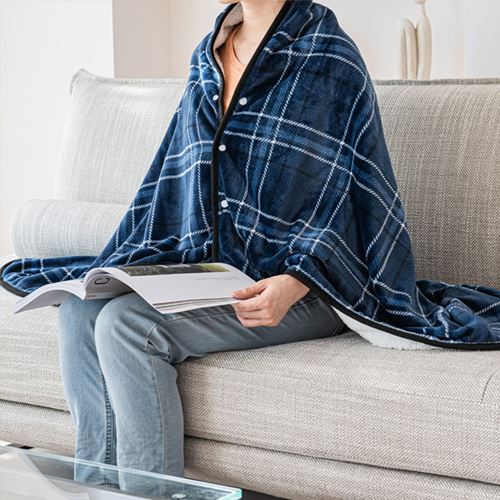
Of course, our Acrylic Blanket remains a top - choice for many hospitals due to its many advantages. We have a wide range of styles, colors, and sizes to suit different hospital needs.
If you're a hospital administrator, procurement officer, or anyone involved in the decision - making process for hospital supplies, and you're interested in learning more about our acrylic blankets or other products, I'd love to talk to you. We can discuss your specific requirements, pricing, and delivery options. Feel free to reach out to us to start a conversation about finding the perfect blankets for your hospital.
References:
- Textiles and Their Applications by John R. Price (2007, Prentice Hall)
- Consumer Textiles by Sara J. Kadolph and Anna L. Langford (2011, Pearson)