

Are non - woven fabric blankets hypoallergenic?
Nov 14, 2025
Leave a message
Are non - woven fabric blankets hypoallergenic?
As a supplier of Non - woven Fabric Blankets, I've received numerous inquiries regarding the hypoallergenic nature of these products. In this blog, I'll delve into the science behind non - woven fabric blankets and explore whether they truly live up to the hypoallergenic claim.
Understanding Non - woven Fabrics
Non - woven fabrics are produced through a process that involves bonding or interlocking fibers together rather than weaving or knitting them. This manufacturing method results in a fabric with unique properties. The fibers used in non - woven fabric production can vary widely, including polyester, polypropylene, and rayon. Each type of fiber brings its own characteristics to the final product.
Polyester fibers are known for their durability, resistance to mildew, and ability to retain shape. Polypropylene is lightweight, water - resistant, and has good chemical resistance. Rayon, on the other hand, is a semi - synthetic fiber that offers softness and breathability. These different fibers can be combined in various ways to create non - woven fabrics with specific functions and qualities.
The Hypoallergenic Concept
Hypoallergenic products are designed to minimize the risk of causing an allergic reaction. Allergies are the body's immune system overreacting to certain substances, known as allergens. Common allergens include dust mites, pollen, pet dander, and certain chemicals. For a product to be considered hypoallergenic, it should either not contain common allergens or be less likely to trigger an allergic response.
Factors Contributing to Hypoallergenicity of Non - woven Fabric Blankets
- Lack of Loose Fibers
One of the key advantages of non - woven fabric blankets is that they have fewer loose fibers compared to traditional woven fabrics. Loose fibers can become airborne and be inhaled, potentially triggering allergic reactions in sensitive individuals. Non - woven fabrics are more tightly bonded, reducing the likelihood of fiber shedding. This characteristic makes them a better option for people with respiratory allergies, such as asthma or hay fever. - Resistance to Dust Mites
Dust mites are a major source of allergens. They thrive in warm, humid environments and feed on dead skin cells. Non - woven fabric blankets can be less hospitable to dust mites for several reasons. Some non - woven fabrics have a smooth surface that is difficult for dust mites to attach to. Additionally, certain non - woven materials can be treated with anti - microbial agents that inhibit the growth of dust mites and other microorganisms. - Chemical Treatments
Many non - woven fabric blankets are treated with chemicals to enhance their performance, such as flame retardants, water repellents, and anti - static agents. However, manufacturers are increasingly aware of the potential health risks associated with these chemicals. As a result, there are now non - woven fabric blankets available that are treated with hypoallergenic or low - allergen chemicals. These treatments are designed to provide the desired functionality without causing allergic reactions.
Potential Allergenic Concerns
- Fiber Type
While most non - woven fabric fibers are generally well - tolerated, some individuals may still be allergic to specific types of fibers. For example, people with a polyester allergy may experience skin irritation or respiratory problems when in contact with polyester - based non - woven fabric blankets. It's important for consumers to be aware of their own allergies and choose non - woven fabric blankets made from fibers that they are not allergic to. - Residual Chemicals
Even if a non - woven fabric blanket is treated with hypoallergenic chemicals, there is still a possibility of residual chemicals remaining on the fabric. These residual chemicals can potentially cause allergic reactions in sensitive individuals. To minimize this risk, it's advisable to wash non - woven fabric blankets before first use. This can help remove any residual chemicals and reduce the likelihood of an allergic response.
Comparing with Other Types of Blankets
- Mylar Emergency Blanket
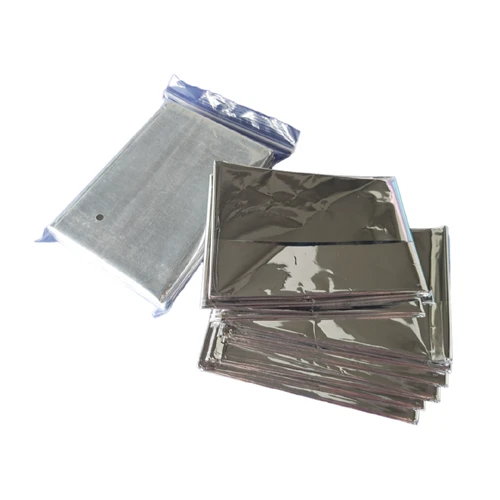
Mylar emergency blankets are made from a thin, reflective material. They are primarily used for emergency situations to provide insulation and prevent heat loss. Unlike non - woven fabric blankets, Mylar blankets are not designed for long - term comfort. They can be noisy and may cause skin irritation in some people. In terms of hypoallergenicity, Mylar blankets do not have the same natural fiber - related benefits as non - woven fabric blankets. You can learn more about Mylar Emergency Blanket. - Transport Blanket
Transport blankets are often used in medical settings to keep patients warm during transportation. They are typically made from materials that are durable and easy to clean. While some transport blankets may be made from non - woven fabrics, others may be made from traditional woven materials. Non - woven fabric transport blankets can offer the advantage of being hypoallergenic, which is especially important in a medical environment where patients may have weakened immune systems. Check out Transport Blanket for more details.
Conclusion
Non - woven fabric blankets have several characteristics that make them a potentially hypoallergenic option. Their lack of loose fibers, resistance to dust mites, and the availability of hypoallergenic chemical treatments contribute to their hypoallergenic nature. However, it's important to note that individual reactions can vary, and some people may still experience allergic reactions due to specific fiber types or residual chemicals.
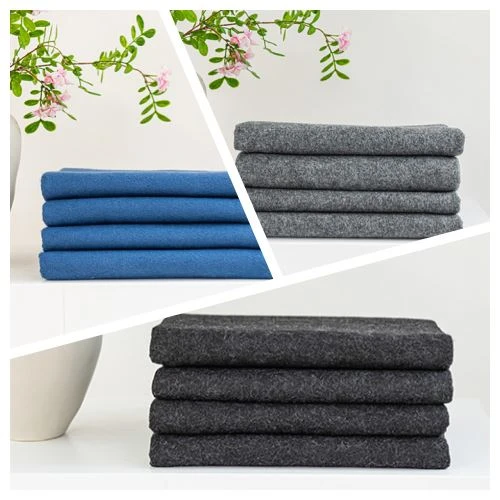
If you're in the market for a hypoallergenic blanket, Non - woven Fabric Blanket is definitely worth considering. As a supplier, I'm committed to providing high - quality non - woven fabric blankets that meet the needs of our customers. Whether you're looking for a blanket for personal use, medical applications, or emergency situations, we have a wide range of products to choose from.
If you're interested in learning more about our non - woven fabric blankets or would like to discuss a potential purchase, please feel free to reach out. We're here to answer your questions and help you find the perfect blanket for your needs.
References
- American Academy of Allergy, Asthma & Immunology. (2023). Understanding Allergies.
- Textile Research Journal. (2022). Properties and Applications of Non - woven Fabrics.
- World Health Organization. (2021). Guidelines on Indoor Air Quality and Allergens.