

Are non - woven fabric blankets easy to vacuum clean?
Jan 19, 2026
Leave a message
As a supplier of Non-woven Fabric Blankets, I've received numerous inquiries about the ease of vacuum cleaning these blankets. In this blog post, I'll delve into the characteristics of non-woven fabric blankets and explore whether they are indeed easy to vacuum clean.
Understanding Non-woven Fabric Blankets
Non-woven fabric blankets are crafted from fibers that are bonded together through various processes such as heat, chemical, or mechanical means, rather than being woven like traditional fabrics. This manufacturing method gives non-woven fabric blankets several unique properties. They are often lightweight, soft, and breathable, making them suitable for a variety of applications, including emergency situations, transportation, and general use.
One of the key advantages of non-woven fabric blankets is their affordability. They can be produced at a relatively low cost, making them an attractive option for budget-conscious consumers and organizations. Additionally, non-woven fabric blankets are available in a wide range of sizes, colors, and thicknesses, allowing for customization to meet specific needs.
The Vacuum Cleaning Process
Vacuum cleaning is a common method for removing dirt, dust, and debris from various surfaces, including blankets. When it comes to non-woven fabric blankets, the ease of vacuum cleaning depends on several factors, including the type of non-woven fabric, the design of the blanket, and the nature of the dirt or debris.
Type of Non-woven Fabric
There are different types of non-woven fabrics used in the production of blankets, each with its own characteristics. Some non-woven fabrics have a loose, open structure that allows dirt and debris to penetrate easily, while others have a more compact structure that resists dirt and makes it easier to clean.
For example, spunbond non-woven fabrics are known for their durability and strength. They have a relatively tight structure that prevents dirt from getting deeply embedded in the fabric. As a result, vacuum cleaning a spunbond non-woven fabric blanket is usually quite straightforward. The dirt and debris can be easily suctioned off the surface of the blanket without much effort.
On the other hand, meltblown non-woven fabrics have a finer and more porous structure. While this makes them excellent at filtering particles, it also means that dirt and debris can get trapped more easily within the fabric. Vacuum cleaning a meltblown non-woven fabric blanket may require a bit more patience and a stronger suction power to ensure that all the dirt is removed.
Design of the Blanket
The design of the non-woven fabric blanket can also affect the ease of vacuum cleaning. Blankets with a smooth, flat surface are generally easier to vacuum clean than those with textured or embossed surfaces. Textured or embossed areas can create pockets where dirt and debris can accumulate, making it more challenging to remove them completely.
Some non-woven fabric blankets may also have additional features such as binding edges, quilting, or decorative elements. These features can add to the aesthetic appeal of the blanket but may also make vacuum cleaning more difficult. For example, the binding edges may trap dirt and debris, and the quilting can create crevices where dirt can hide.
Nature of the Dirt or Debris
The type of dirt or debris on the non-woven fabric blanket also plays a role in the ease of vacuum cleaning. Loose dirt, dust, and pet hair can usually be removed easily with a vacuum cleaner. However, if the blanket is stained with sticky substances such as food, drinks, or grease, vacuum cleaning alone may not be sufficient. In such cases, pre-treatment or spot cleaning may be required before vacuuming to ensure that the stains are removed.
Tips for Vacuum Cleaning Non-woven Fabric Blankets
To make the vacuum cleaning process as effective as possible, here are some tips to keep in mind:
- Choose the Right Vacuum Cleaner: Select a vacuum cleaner with adjustable suction power and a variety of attachments. A handheld vacuum cleaner can be particularly useful for cleaning small areas or hard-to-reach spots on the blanket.
- Use a Soft Brush Attachment: When vacuuming the non-woven fabric blanket, use a soft brush attachment to avoid damaging the fabric. The soft bristles will gently loosen the dirt and debris without scratching or pulling on the fibers.
- Vacuum in Different Directions: To ensure that all the dirt and debris are removed, vacuum the blanket in different directions. This will help to dislodge any dirt that may be trapped in the fabric.
- Pay Attention to the Edges and Corners: Dirt and debris tend to accumulate along the edges and corners of the blanket. Make sure to pay extra attention to these areas and use the crevice tool attachment to clean them thoroughly.
- Pre-Treat Stains: If the blanket has any stains, pre-treat them before vacuuming. You can use a mild detergent or a stain remover to treat the stains. Follow the instructions on the product label and allow the pre-treatment to sit for the recommended amount of time before vacuuming.
Comparison with Other Types of Blankets
To better understand the ease of vacuum cleaning non-woven fabric blankets, let's compare them with other types of blankets commonly used in emergency and transportation situations.
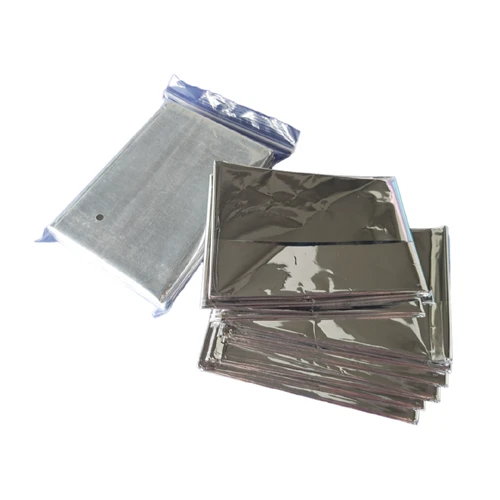
Mylar Emergency Blanket
Mylar emergency blankets are made of a thin, reflective material that is designed to reflect body heat and keep the user warm. These blankets are lightweight and compact, making them ideal for emergency situations. However, Mylar blankets are not suitable for vacuum cleaning. The thin, delicate material can easily be damaged by the suction power of a vacuum cleaner, and the reflective surface can be scratched or scuffed.
Transport Blanket
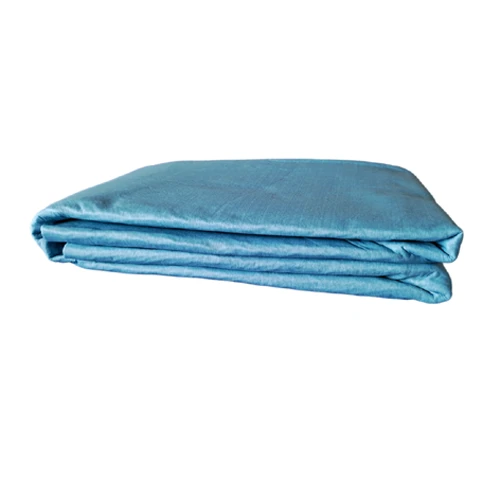
Transport blankets are typically made of thicker, more durable materials such as wool or synthetic fibers. These blankets are designed to provide insulation and protection during transportation. While transport blankets can be vacuum cleaned, they may require more effort and a stronger suction power compared to non-woven fabric blankets. The thick, dense material can trap dirt and debris more easily, and the fibers may be more resistant to the suction of the vacuum cleaner.
Conclusion
In conclusion, non-woven fabric blankets can be relatively easy to vacuum clean, depending on the type of non-woven fabric, the design of the blanket, and the nature of the dirt or debris. With the right vacuum cleaner and proper cleaning techniques, most dirt, dust, and pet hair can be removed effectively. However, if the blanket is stained or has sticky substances on it, additional pre-treatment or spot cleaning may be required.
As a supplier of Non-woven Fabric Blankets, I'm committed to providing high-quality products that meet the needs of our customers. If you have any questions about our non-woven fabric blankets or need more information about vacuum cleaning them, please don't hesitate to contact us. We're here to help you make an informed decision and ensure that you get the most out of your non-woven fabric blankets.
References
- "Non-woven Fabrics: Structure, Properties, and Applications" by S. K. Ghosh and A. K. Bhattacharyya
- "Vacuum Cleaning Techniques for Different Types of Fabrics" by the International Association of Cleaning and Restoration Certification (IICRC)
- "Emergency Blankets: A Comprehensive Guide" by the National Institute of Standards and Technology (NIST)