

Are emergency blankets good for first - aid kits?
Jan 09, 2026
Leave a message
Are emergency blankets good for first - aid kits?
Hey there! I'm an emergency blanket supplier, and I've been in this business for quite a while. You might be wondering, "Are emergency blankets really a must - have in first - aid kits?" Well, let's dive right into it.
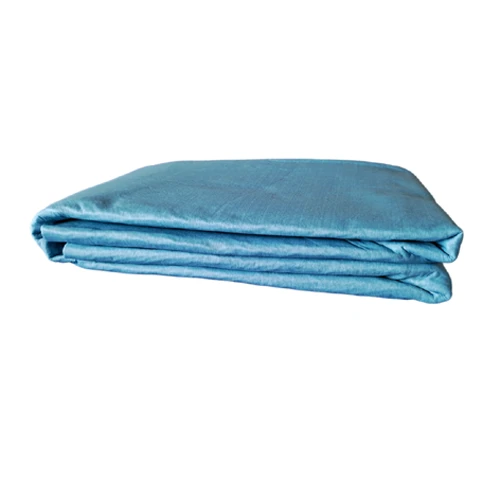
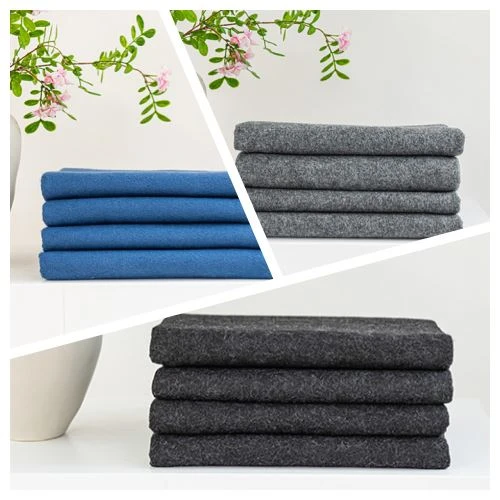
First things first, what exactly are emergency blankets? There are different types out there. We've got the Non - woven Fabric Blanket, the Mylar Emergency Blanket, and the Transport Blanket. Each type has its own unique features and benefits.
Let's start with the Mylar emergency blanket. This bad boy is super lightweight and compact. It's made of a shiny, reflective material that can reflect up to 90% of your body heat back to you. That's a game - changer in emergency situations. When someone is in shock, hypothermia can set in real quick. Hypothermia is a condition where your body loses heat faster than it can produce it, and it can be life - threatening. A Mylar emergency blanket can help keep the patient warm by reflecting their body heat, buying precious time until proper medical help arrives.
For example, imagine you're out hiking in the mountains. One of your hiking buddies takes a bad fall and gets injured. They're lying on the cold ground, and the wind is blowing. Their body temperature starts to drop rapidly. If you have a Mylar emergency blanket in your first - aid kit, you can quickly wrap it around them. The reflective surface will bounce back their body heat, preventing further heat loss and potentially saving their life.
Now, let's talk about the non - woven fabric blanket. These blankets are a bit more durable compared to the Mylar ones. They're also soft to the touch, which is great for the comfort of the patient. Non - woven fabric blankets are often used in situations where you need to keep someone warm for an extended period. They're not as reflective as Mylar blankets, but they still provide decent insulation.
Say you're at a camping site, and there's a sudden cold snap. A family member gets sick, and they need to stay warm. A non - woven fabric blanket from your first - aid kit can be wrapped around them. It'll keep them cozy while you figure out the next steps, like getting them to a warmer place or contacting medical assistance.
Then there's the transport blanket. As the name suggests, these are mainly used during the transportation of patients. They're designed to be sturdy and can withstand some rough handling. Transport blankets are often used by ambulance services and other medical transport teams. They provide both warmth and protection during the journey to the hospital.
Let's say an accident happens on the road, and an injured person needs to be moved to the hospital. The transport blanket in the first - aid kit of the emergency responders can be used to keep the patient warm and comfortable during the ride. It also helps to prevent any further contamination or exposure to the elements.
Another great thing about having emergency blankets in first - aid kits is their versatility. They can be used in so many different scenarios. Besides keeping people warm, they can also be used as a makeshift shelter. If you're in the middle of nowhere and there's no proper shelter around, you can use an emergency blanket to create a small tent. Just tie it between two trees, and you've got a basic shelter from the rain or sun.
Emergency blankets are also very affordable. You can get a high - quality emergency blanket for a relatively low price. This means that you can stock up your first - aid kits with multiple blankets without breaking the bank. And since they're lightweight and compact, they don't take up much space in your first - aid kit. You can easily fit a few in there along with other essential first - aid supplies like bandages, antiseptic wipes, and painkillers.
Now, I know some of you might be thinking, "I've never really needed an emergency blanket before, so do I really need one in my first - aid kit?" Well, the thing about emergencies is that they're unpredictable. You never know when you're going to need one. It's better to be prepared than to be caught off - guard. Having an emergency blanket in your first - aid kit is like having an insurance policy. You hope you'll never have to use it, but if you do, it could make all the difference.
In addition to personal first - aid kits, emergency blankets are also a great addition to workplace first - aid kits. In industries like construction, mining, and outdoor work, employees are often exposed to harsh weather conditions. An emergency blanket can be a vital tool in case of an accident or sudden illness. It can keep the injured worker warm until professional medical help arrives.
Schools and community centers should also consider including emergency blankets in their first - aid kits. In case of a natural disaster like an earthquake or a flood, students or community members might be left exposed to the elements. An emergency blanket can provide much - needed warmth and comfort during these difficult times.
So, to sum it up, emergency blankets are definitely a great addition to first - aid kits. They're lightweight, affordable, versatile, and can potentially save lives in emergency situations. Whether it's a Mylar emergency blanket for rapid heat reflection, a non - woven fabric blanket for extended warmth, or a transport blanket for patient transportation, each type has its own unique advantages.
If you're interested in stocking up on high - quality emergency blankets for your first - aid kits, whether it's for personal use, your workplace, or your community, I'd love to talk to you. We offer a wide range of emergency blankets at competitive prices. Just reach out, and we can have a chat about your specific needs.
References
- American Red Cross. First Aid Manual.
- National Institute of Health. Hypothermia Research Papers.
- Wilderness Medical Society. Guidelines for Wilderness First - Aid.