

Are emergency blankets flame - resistant?
Dec 26, 2025
Leave a message
In the realm of emergency preparedness, emergency blankets stand as a crucial tool, offering protection and warmth in times of crisis. One question that often arises among consumers and emergency responders alike is whether these blankets are flame-resistant. As a supplier of emergency blankets, I am well-versed in the properties and capabilities of these essential items. In this blog post, I will delve into the topic of flame resistance in emergency blankets, exploring the different types available and their ability to withstand fire.
Understanding Emergency Blankets
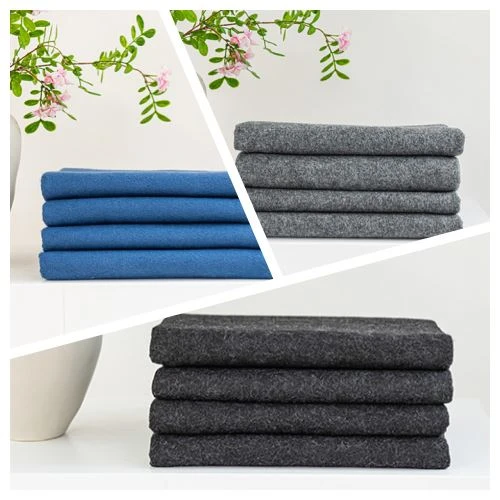
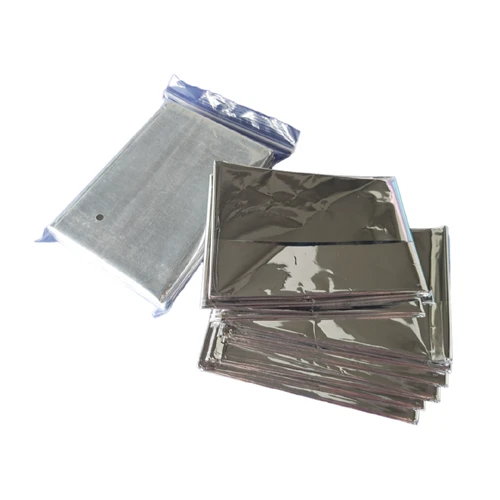
Emergency blankets come in various forms, each designed to serve a specific purpose. The most common types include Mylar Emergency Blanket, Non-woven Fabric Blanket, and Transport Blanket.
Mylar emergency blankets, also known as space blankets, are made from a thin, reflective material that reflects up to 90% of the body's radiant heat. These blankets are lightweight, compact, and highly effective at retaining body heat, making them ideal for use in cold weather emergencies. Non-woven fabric blankets, on the other hand, are made from a synthetic material that is soft, breathable, and absorbent. These blankets are often used in medical settings to provide warmth and comfort to patients. Transport blankets are designed to be used during the transportation of injured or ill individuals. These blankets are typically made from a durable, waterproof material that provides insulation and protection from the elements.
Flame Resistance in Emergency Blankets
When it comes to flame resistance, not all emergency blankets are created equal. The level of flame resistance depends on the material used to make the blanket and the manufacturing process. Some emergency blankets are treated with flame retardant chemicals to enhance their fire resistance, while others are inherently flame-resistant due to the properties of the material itself.
Mylar emergency blankets are not inherently flame-resistant. The thin, reflective material used to make these blankets is highly flammable and can easily catch fire if exposed to an open flame or high heat. However, some manufacturers offer flame-resistant versions of Mylar emergency blankets that have been treated with a special coating to reduce their flammability. These flame-resistant Mylar blankets are designed to self-extinguish when removed from the source of ignition, providing an added layer of safety in emergency situations.
Non-woven fabric blankets are generally more flame-resistant than Mylar emergency blankets. The synthetic material used to make these blankets is less flammable and tends to burn more slowly than Mylar. However, non-woven fabric blankets are not completely fireproof and can still catch fire if exposed to a significant source of heat or flame. Some non-woven fabric blankets are treated with flame retardant chemicals to enhance their fire resistance, while others are made from a naturally flame-resistant material such as aramid fiber.
Transport blankets are typically made from a durable, waterproof material that is designed to provide insulation and protection from the elements. These blankets are often used in emergency situations where there is a risk of fire, such as in a vehicle accident or a building fire. As such, many transport blankets are designed to be flame-resistant. The flame resistance of transport blankets is achieved through the use of flame retardant materials or by treating the blanket with a special coating.
Factors Affecting Flame Resistance
In addition to the material used to make the emergency blanket, several other factors can affect its flame resistance. These factors include the thickness of the blanket, the density of the material, and the presence of any additional coatings or treatments.
Thicker blankets generally have a higher level of flame resistance than thinner blankets. This is because the thicker material provides more insulation and takes longer to burn through. Similarly, blankets with a higher density of material are more flame-resistant than those with a lower density. The increased density of the material makes it more difficult for the fire to spread and reduces the amount of oxygen available to fuel the fire.
The presence of additional coatings or treatments can also enhance the flame resistance of an emergency blanket. Flame retardant coatings are often applied to the surface of the blanket to reduce its flammability and prevent it from catching fire. These coatings work by releasing a gas when exposed to heat or flame, which helps to smother the fire and prevent it from spreading. Some blankets may also be treated with a water-resistant coating to protect them from moisture and improve their durability.
Testing and Certification
To ensure the safety and effectiveness of emergency blankets, they must undergo rigorous testing and certification. In the United States, emergency blankets are typically tested to meet the standards set by the National Fire Protection Association (NFPA). The NFPA has established a set of standards for flame resistance in textiles, including emergency blankets. These standards specify the minimum level of flame resistance that a blanket must have to be considered safe for use in emergency situations.
In addition to the NFPA standards, emergency blankets may also be tested and certified by other organizations, such as the Underwriters Laboratories (UL). UL is an independent organization that tests and certifies products for safety and performance. UL-certified emergency blankets have been tested to meet the highest standards of quality and safety, providing consumers with peace of mind knowing that they are purchasing a reliable and effective product.
Conclusion
In conclusion, the question of whether emergency blankets are flame-resistant depends on the type of blanket and the materials used to make it. Mylar emergency blankets are not inherently flame-resistant, but some manufacturers offer flame-resistant versions that have been treated with a special coating. Non-woven fabric blankets are generally more flame-resistant than Mylar blankets, but they are not completely fireproof. Transport blankets are typically designed to be flame-resistant to provide protection in emergency situations where there is a risk of fire.
When choosing an emergency blanket, it is important to consider the level of flame resistance that you need. If you are using the blanket in a high-risk environment, such as a building fire or a vehicle accident, you may want to choose a blanket that has been specifically designed to be flame-resistant. Additionally, it is important to look for blankets that have been tested and certified to meet the highest standards of quality and safety.
As a supplier of emergency blankets, I am committed to providing my customers with the highest quality products that meet their needs and exceed their expectations. If you have any questions about the flame resistance of our emergency blankets or would like to learn more about our products, please do not hesitate to contact me. I would be happy to assist you in finding the right emergency blanket for your specific situation. Whether you are an individual looking to prepare for emergencies or a business in need of bulk supplies, I am here to help. Let's start a conversation about your procurement needs and find the best solution together.
References
- National Fire Protection Association (NFPA). (Year). NFPA standards for flame resistance in textiles.
- Underwriters Laboratories (UL). (Year). UL certification for emergency blankets.