

Are emergency blankets effective in cold weather?
Dec 22, 2025
Leave a message
Emergency situations can strike at any time, and being prepared is crucial. One essential item that often comes to mind for cold - weather emergencies is the emergency blanket. As a supplier of emergency blankets, I've had the opportunity to see firsthand the benefits and limitations of these blankets. In this blog, we'll explore whether emergency blankets are effective in cold weather, looking at their types, how they work, and real - world applications.
Types of Emergency Blankets
There are several types of emergency blankets available on the market, each with its own set of features and benefits.
Mylar Emergency Blanket
Mylar emergency blankets are perhaps the most well - known type. These blankets are made from a thin, reflective material that is highly effective at reflecting body heat back to the user. They are lightweight, compact, and easy to carry, making them a popular choice for outdoor enthusiasts, hikers, and emergency responders. You can learn more about Mylar Emergency Blanket.
Transport Blanket
Transport blankets are designed to provide insulation during the transportation of patients in cold conditions. They are often made from materials that offer a higher level of warmth and durability compared to Mylar blankets. Transport blankets are commonly used by ambulance services and medical facilities. For more details on Transport Blanket.
Non - woven Fabric Blanket
Non - woven fabric blankets are another option. These blankets are made from synthetic fibers that are bonded together to form a soft and insulating material. They are more breathable than Mylar blankets and can provide a certain degree of warmth. You can find more information about Non - woven Fabric Blanket.
How Emergency Blankets Work
The effectiveness of emergency blankets in cold weather is based on their ability to prevent heat loss. There are three main ways the human body loses heat: conduction, convection, and radiation.
Radiation
Radiation is the transfer of heat in the form of infrared rays. Mylar emergency blankets work by reflecting up to 90% of the body's radiated heat back to the user. The shiny surface of the Mylar acts as a mirror for infrared radiation, reducing the amount of heat that escapes from the body into the cold environment.
Conduction
Conduction is the transfer of heat through direct contact with a cooler object. Emergency blankets can help reduce conduction by creating a barrier between the body and the cold ground or other cold surfaces. For example, placing a Mylar or non - woven fabric blanket between a person and the cold ground can prevent heat from being conducted away from the body.
Convection
Convection is the transfer of heat through the movement of air or water. Transport blankets and some non - woven fabric blankets are designed to trap a layer of air close to the body. This layer of air acts as an insulator, reducing the amount of heat that is carried away by the moving air.
Real - World Effectiveness
In real - world scenarios, emergency blankets can be a lifesaver in cold weather.
Outdoor Activities
For outdoor enthusiasts such as hikers, campers, and skiers, emergency blankets can provide crucial protection in case of unexpected cold snaps or emergencies. A hiker who gets lost or injured in the mountains can use a Mylar emergency blanket to stay warm until help arrives. The lightweight and compact nature of these blankets make them easy to carry in a backpack, ensuring that they are always on hand when needed.
Medical Emergencies
In medical settings, transport blankets are essential for keeping patients warm during transportation. Hypothermia can be a serious complication for patients, especially those who are already in a weakened state. Transport blankets help maintain the patient's body temperature, reducing the risk of hypothermia and improving the chances of a successful recovery.
Disaster Relief
During natural disasters such as earthquakes, floods, or blizzards, emergency blankets are distributed to affected populations. These blankets provide immediate warmth and comfort to people who have been displaced from their homes and are exposed to cold weather conditions. Non - woven fabric blankets are often used in these situations because they are soft, easy to distribute, and can provide a certain level of insulation.
Limitations of Emergency Blankets
While emergency blankets are effective in many situations, they do have some limitations.
Extreme Cold
In extremely cold temperatures, emergency blankets may not provide enough warmth on their own. For example, in sub - zero temperatures, a Mylar blanket may not be sufficient to prevent hypothermia. In these cases, additional layers of insulation, such as warm clothing or sleeping bags, are necessary.
Moisture
Emergency blankets are not very effective in wet conditions. Mylar blankets can become less reflective when wet, reducing their ability to reflect heat. Non - woven fabric blankets can also lose their insulating properties when soaked with water. In wet and cold conditions, it's important to keep the emergency blanket dry or use a waterproof outer layer.
Factors Affecting Effectiveness
Several factors can affect the effectiveness of emergency blankets in cold weather.
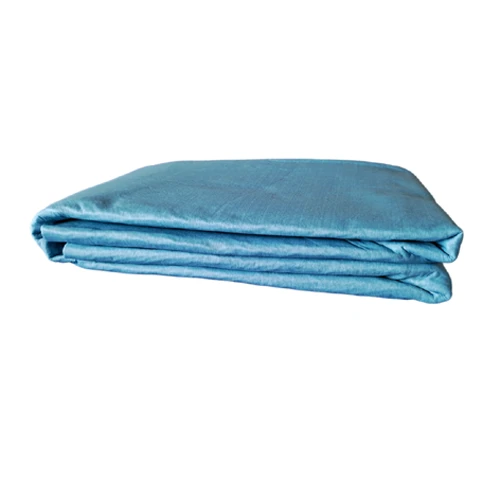
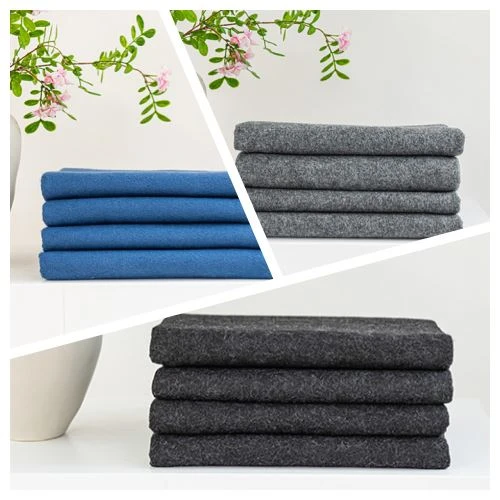
Quality of the Blanket
The quality of the emergency blanket plays a significant role in its effectiveness. Higher - quality blankets are often made from better materials that offer more insulation and durability. When choosing an emergency blanket, it's important to look for products that are made by reputable manufacturers and meet relevant safety standards.
Proper Use
Proper use of the emergency blanket is also crucial. For example, a Mylar blanket should be wrapped tightly around the body to ensure maximum heat reflection. If the blanket is not wrapped properly, heat can escape through the gaps, reducing its effectiveness.
Conclusion
In conclusion, emergency blankets are effective in cold weather to a certain extent. They can provide valuable protection against heat loss through radiation, conduction, and convection. Different types of emergency blankets, such as Mylar, transport, and non - woven fabric blankets, offer various levels of warmth, durability, and portability, making them suitable for different situations.
However, it's important to recognize their limitations, especially in extreme cold and wet conditions. By understanding how emergency blankets work and their limitations, users can make informed decisions about when and how to use them.
If you're in the market for high - quality emergency blankets, whether for personal use, medical facilities, or disaster relief efforts, we are here to help. Our range of emergency blankets is designed to meet the highest standards of quality and effectiveness. Contact us to discuss your specific needs and explore our product offerings. We look forward to working with you to ensure you are well - prepared for any cold - weather emergency.
References
- American Red Cross. (2023). Cold Weather Safety.
- National Weather Service. (2023). Hypothermia and Cold Weather Hazards.
- Wilderness Medical Society. (2023). Guidelines for Wilderness First Aid.