

Are cooling blankets eco - friendly?
Nov 17, 2025
Leave a message
In recent years, the demand for cooling blankets has been on the rise, especially during hot summer months. As a supplier of Cooling Blankets, I often get asked about the environmental friendliness of these products. In this blog post, I'll delve into the topic to help you understand whether cooling blankets are eco - friendly or not.
What are Cooling Blankets?
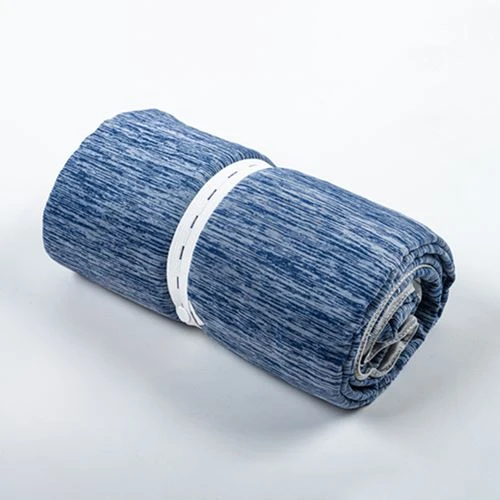
Before discussing their eco - friendliness, let's first understand what cooling blankets are. Cooling blankets are designed to provide a cooler sleeping or resting experience. They use various technologies to achieve this. Some cooling blankets are made from special fabrics that have high thermal conductivity, which means they can transfer heat away from your body more effectively. Others may incorporate phase - change materials (PCMs) that absorb and release heat to maintain a comfortable temperature.
You can explore a wide range of Cooling Blankets on our website: Cooling Blanket
Factors Affecting the Eco - Friendliness of Cooling Blankets
Material Selection
The materials used in cooling blankets play a crucial role in determining their environmental impact.
Synthetic Materials
Many cooling blankets are made from synthetic materials such as polyester or nylon. These materials are often chosen because they can be engineered to have specific cooling properties. However, synthetic materials have some drawbacks from an environmental perspective. Polyester, for example, is derived from petroleum, a non - renewable resource. The production of polyester also involves energy - intensive processes that release greenhouse gases into the atmosphere. Additionally, synthetic materials are not biodegradable, which means they can persist in landfills for hundreds of years.
Natural Materials
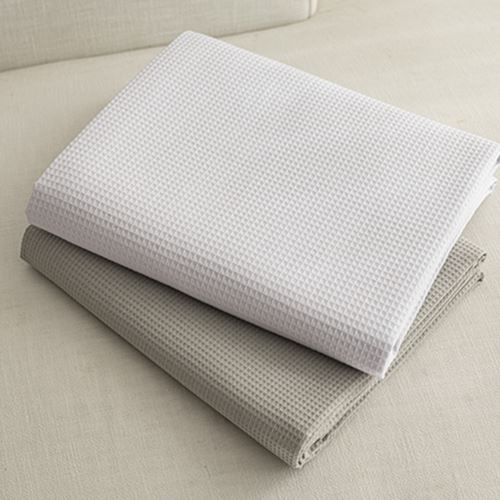
On the other hand, some cooling blankets are made from natural materials like cotton. Cotton is a renewable resource as it is a plant - based fiber. It is biodegradable, which means it will break down over time in the environment. Cotton is also breathable, which can contribute to a cooling effect. You can find our selection of Cotton Blanket on our website. However, the production of cotton has its own environmental issues. It requires a large amount of water, pesticides, and fertilizers, which can have negative impacts on water resources and soil quality.
Manufacturing Processes
The way cooling blankets are manufactured also affects their eco - friendliness.
Energy Consumption
Manufacturing processes that require a lot of energy, such as those involving high - temperature treatments or complex machinery, contribute to a larger carbon footprint. For example, the production of cooling blankets with phase - change materials may involve energy - intensive chemical processes. On the other hand, manufacturers that use more energy - efficient technologies and renewable energy sources can reduce the environmental impact of the manufacturing process.
Waste Generation
Another aspect of manufacturing is waste generation. If a manufacturing process produces a large amount of waste, such as scraps of fabric or chemical by - products, it can be harmful to the environment. Responsible manufacturers will try to minimize waste by recycling or reusing materials whenever possible.
Lifespan and Durability
The lifespan of a cooling blanket is an important factor in its eco - friendliness. A durable cooling blanket that can be used for a long time reduces the need for frequent replacements. This, in turn, reduces the overall environmental impact associated with the production and disposal of these products. Some cooling blankets are designed to be of high quality and can withstand multiple washes and years of use, while others may be more prone to wear and tear and need to be replaced more frequently.
Benefits of Cooling Blankets in Terms of Environmental Impact
Despite the potential environmental drawbacks, cooling blankets can also have some positive environmental impacts.
Energy Savings
One of the main benefits of using a cooling blanket is that it can reduce the need for air conditioning. Air conditioning is a major energy consumer, especially during hot summer months. By using a cooling blanket, you can lower the temperature at which you need to set your air conditioner or even turn it off completely in some cases. This can lead to significant energy savings and a reduction in greenhouse gas emissions.
Reduced Water Usage
Compared to some traditional methods of cooling, such as using a wet towel or taking frequent cold showers, cooling blankets do not require a large amount of water. This can be beneficial, especially in regions where water is scarce.
How to Choose an Eco - Friendly Cooling Blanket
If you're concerned about the environment and want to choose an eco - friendly cooling blanket, here are some tips:
- Look for Natural Materials: Opt for cooling blankets made from natural fibers like cotton or bamboo. These materials are renewable and biodegradable.
- Check for Sustainable Manufacturing Practices: Look for manufacturers that use energy - efficient technologies and minimize waste generation. Some manufacturers may also be certified by environmental organizations, which can be a good indicator of their commitment to sustainability.
- Consider Durability: Choose a cooling blanket that is well - made and durable. This will ensure that you can use it for a long time, reducing the need for frequent replacements.
Our Commitment as a Cooling Blanket Supplier
As a supplier of cooling blankets, we are committed to providing eco - friendly products. We offer a range of cooling blankets made from natural materials, such as our Cotton Blanket. We also work with manufacturers who are conscious of their environmental impact and use sustainable manufacturing practices.
We believe that by providing high - quality, eco - friendly cooling blankets, we can help our customers stay cool while also reducing their environmental footprint. If you're interested in learning more about our products or have any questions about their eco - friendliness, please feel free to contact us. We're always happy to assist you with your cooling blanket needs and discuss potential procurement opportunities. Whether you're a retailer looking to stock our products or an individual buyer, we're here to provide you with the best solutions.
References
- "Environmental Impact of Textile Production" - Textile Institute Journal
- "Energy Efficiency in the Textile Industry" - International Energy Agency
- "Sustainable Materials for Bedding" - Journal of Sustainable Fashion and Textiles